


 Preview

 Send
 Share
 Details
 Guide


 Download
 Similars
 X-Ray
 Diaporama
 Q&A
 Stats
Christ Tormented by Demons

 Read More
Giclée / Art Print
Museum-quality giclée or canvas print with fast production and flexible finish options. ( Buy Hand Made Painting Switch to Digital Image)
P118B $10
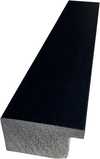
P118H $10
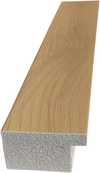
P118W $10
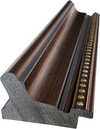
P438Z $10
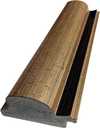
P508JH $12
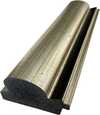
P508YH $12
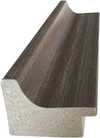
P805H $10
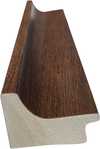
P805Z $10
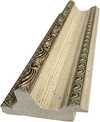
P919BZ $10
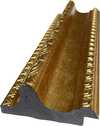
P919G $10
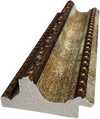
P919XJ $10
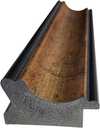
P959ZH $10
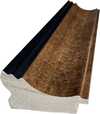
P968JZ $12
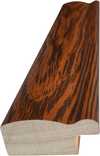
W106C $8
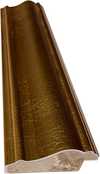
W218G $10
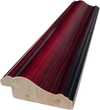
W218JH $8
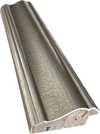
W218Y $10
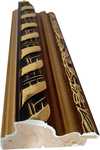
W307PJ $10
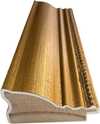
W316G $10
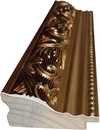
W316PJ $8
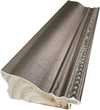
W316Y $10
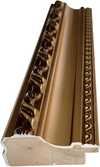
W398PJ $8
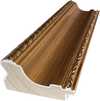
W4111J $10
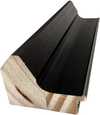
W500HY $15
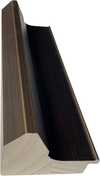
W500JH $15
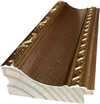
W692G $12
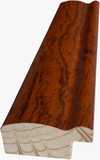
W849H $8
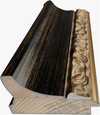
W940BG $15
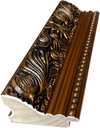
W953PJ $8
Pick from our preset sizes that match the artwork's original proportions.

Type the width and the height you need, to fit your frame or your wall. A print can only be cut, never made bigger than the picture, so a size with a different shape loses a part of the image. We send you a digital mockup to approve before we print anything. The picture shown on this page does not show the real cut — only the mockup does.
Worldwide Delivery () in 2 weeks instead of standard 4/5 weeks. (21 November)

Free Worldwide Express Shipping

High-Quality Linen Canvas

Full Shipping Insurance

Customs Tax Refund Guarantee

True Color Matching Guarantee

100-Day Return Policy (Defects Only)

100% Money-Back Guarantee

Bulk Discount Offer
 Glass option is only available in size under 110 CM

Christ Tormented by Demons
Giclée / Art Print
Reproduction Size
-


Total Price
$ 65
James Ensor’s Disturbing Vision of Suffering
James Ensor (1860 – 1949), a Belgian artist whose career spanned over eight decades, remains an enigmatic figure in the annals of Expressionism. Born in Ostend, a coastal town steeped in maritime tradition and cultural exchange between England and Belgium, Ensor’s formative years instilled within him a profound appreciation for theatricality and visual spectacle—influences that would irrevocably shape his artistic output.
- Subject Matter: The painting depicts Christ crucified, a familiar motif of Christian iconography but rendered with unsettling realism. However, Ensor doesn’t portray Jesus as a serene martyr; instead, he presents him as tormented by demonic forces, capturing the visceral horror of crucifixion in a manner strikingly unconventional for its time.
- Style: Ensor's style is undeniably Expressionist, prioritizing emotional intensity over meticulous representation. He eschewed academic conventions, favoring bold brushstrokes and jarring color palettes to convey psychological states rather than objective observation. This deliberate rejection of traditional aesthetics aligns him firmly with the burgeoning avant-garde movement that sought to express inner turmoil and societal anxieties.
- Technique: Ensor employed oil paint on canvas, utilizing a technique characterized by thick impasto—a layering of pigment onto the surface that creates palpable texture. The artist’s deliberate manipulation of brushstrokes contributes significantly to the painting's dramatic effect, emphasizing movement and conveying a sense of unease.
Historical Context: A Reflection of Anxiety
Created in 1895, “Christ Tormented by Demons” emerged during a period marked by intellectual ferment and social upheaval. The Symbolist movement was gaining momentum, challenging prevailing Victorian ideals with explorations of subconsciousness and mythic narratives. Simultaneously, anxieties surrounding spiritual decline and the encroaching influence of materialism fueled artistic responses that mirrored these concerns. Ensor’s depiction of Christ embodies this spirit—a confrontation with suffering not merely as a theological concept but as an inescapable human experience.
- Symbolism: The painting overflows with symbolic imagery. The cross itself represents Christian faith, yet it is overlaid with grotesque demons symbolizing evil and despair. The surrounding figures – angels and men – further complicate the narrative, suggesting conflicting interpretations of morality and redemption.
- Emotional Impact: Ensor’s masterful use of color—primarily muted reds and yellows—intensifies the painting's emotional impact. These hues evoke feelings of pain, fear, and vulnerability, mirroring the psychological torment experienced by Christ. The artist compels viewers to confront uncomfortable truths about human suffering and the pervasive presence of darkness within the human psyche.
A Legacy of Unease
"Christ Tormented by Demons" stands as a testament to Ensor’s unwavering commitment to artistic innovation and his willingness to challenge societal norms. It remains a powerfully disturbing image, prompting ongoing debate about its interpretation and enduring relevance. Its influence can be seen in subsequent Expressionist artists who similarly sought to depict the darker side of human existence with uncompromising honesty.
- Contemporary Relevance: Ensor’s exploration of psychological torment continues to resonate with audiences today, reminding us that art possesses the capacity to confront uncomfortable realities and provoke profound introspection.
- Interior Design Inspiration: The painting's dramatic palette and textural surface can serve as inspiration for creating spaces imbued with mood and atmosphere—particularly those aiming for a gothic or unsettling aesthetic.
Questions & Answers
Where can I buy a hand-painted reproduction of "Christ Tormented by Demons" by James Ensor?
Hand-painted copies of "Christ Tormented by Demons" by James Ensor are sold on this website: a hand-painted oil reproduction on linen canvas, ordered from its Hand-Painted Reproduction page.
Which artist and which style stand behind "Christ Tormented by Demons"?
Behind "Christ Tormented by Demons" stand James Ensor and the Expressionistic Horror movement.
What feeling does "Christ Tormented by Demons" by James Ensor convey?
In "Christ Tormented by Demons", a dramatic mood accompanies a dramatic emotion.
Related Artworks


Artist Biography
Early Life, Family and Artistic Training
James Ensor was born on April 13, 1860, in Ostend, Belgium. His identity was shaped by a specific cultural intersection: his father, James Frederic Ensor, was born in Brussels to English parents, while his mother, Maria Catherina Haegheman, was Belgian. This dual heritage provided a foundation for a perspective that often sat outside the narrow confines of local tradition. Growing up, the artist lived within the walls of a souvenir shop operated by his parents in Ostend. This environment was not merely a place of residence but a repository of the strange and the ornamental. The shop was filled with shells, carnival masks, and peculiar objects that provided a visual vocabulary for his later work.
His formal education in art was a process of trial and error. Before entering the structured environment of the academy, he began his artistic training under two local painters. This early instruction provided the technical groundwork that he would later manipulate and distort. From 1877 to 1880, he attended the Académie Royale des Beaux-Arts in Brussels. Even within these academic walls, his interests remained distinct from the rigid expectations of the institution. He was not a student of the status quo; he was a student of the objects that surrounded him in Ostend.
The Evolution of His Artistic Style
Ensor’s early output lacked the psychological friction that defines his mature work. In pieces like Russian Music (1881) and The Drunkards (1883), he worked within a somber, realistic framework. These compositions relied on muted tones and traditional depictions of everyday life. They show an artist still tethered to the gravity of realism before his visual language underwent a radical shift. He eventually abandoned this restraint, opting instead for a palette that brightened significantly as his subject matter grew increasingly bizarre.
The shift toward the grotesque was driven by a specific fascination with the mask. He was drawn to the plastic forms and the intense colors of the carnival masks found in his family's souvenir shop. These objects were not mere props; they became central to his aesthetic. He integrated them into his still lifes to introduce a theatrical quality, using them to disrupt the domesticity of the scene. This move toward the irrational allowed him to move beyond simple representation into a space of psychological tension.
- The Scandalized Masks (1883)
- The Oyster Eater (1882/1883)
- The Man of Sorrows (1891)
Key Works and Major Themes
Ensor’s preoccupation with the mask and the grotesque provides a direct link to the psychological tensions of the modern era. In The Scandalized Masks (1883), he established an early interest in the power of disguise, using the carnival motif to strip away social pretenses. This fascination with the theatrical and the unsettling was not a mere stylistic choice but a method of exploring identity. His 1882 work The Oyster Eater demonstrates a different facet of his ability to handle light and color, depicting his sister Mitche in a scene that challenged the conservative sensibilities of the Antwerp Salon. The painting’s rejection by the establishment highlights the friction between his vision and the rigid norms of the time.
The artist’s shift toward more aggressive, expressive forms is most evident in his monumental compositions. Christ's Entry Into Brussels (1888-1889) functions as a forerunner of twentieth-century Expressionism, utilizing a chaotic, brightly-colored procession of grotesque figures to parody modern society. This sense of existential struggle is furthered in The Man of Sorrows (1891), an oil painting that combines the suffering of Christ with the jarring imagery of a Japanese Noh theatre mask. Such works reveal a man using religious and allegorical themes to express a profound frustration with human behavior and societal indifference.
Mortality and the absurdity of existence remain central to his output. Skeletons Fighting over a Hanged Man (1891) uses skeletal figures to confront the viewer with the reality of decay and death. These recurring themes of sin, temptation, and the fragility of appearances ensure his work remains a potent subject for study. His ability to synthesize these dark, often uncomfortable truths into a coherent visual language is what defines his contribution to the transition toward modernism.
Where to See His Works Today
Ensor’s presence in major international collections confirms his lasting impact on the development of modernism. In Antwerp, the Royal Museum of Fine Arts holds two significant works: The Man of Sorrows and The Oyster Eater. These pieces demonstrate the technical range of an artist who could move from religious tension to domestic scenes. His influence extends across the Atlantic, where the Museum of Modern Art in New York City preserves Tribulations of Saint Anthony. This work remains a primary example of his shift toward the bizarre and the psychological.
The reach of his imagery is global. The Getty Center in Los Angeles houses Entry of Christ into Brussels, a massive composition that captures his most aggressive social critiques. Meanwhile, the Kimbell Art Museum in Fort Worth maintains Skeletons Warming Themselves. These scattered locations ensure that his visual language, defined by its refusal to adhere to academic norms, remains accessible to a diverse audience of scholars and observers.
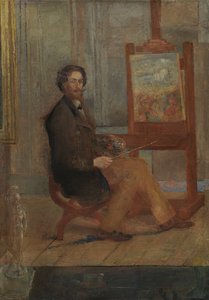
James Ensor
1860 - 1949 , Belgium
Quick Facts
- Artistic Movement Or Style:
- Symbolism
- Expressionism
- Artists Or Movements Influenced By This Artist:
- Expressionism
- Surrealism
- Artists Who Influenced This Artist:
- Pieter Bruegel the Elder
- Francisco Goya
- James Abbott McNeill Whistler
- Full Name: James Sidney Edouard Ensor
- Nationality: Belgian
- Notable Artworks:
- Christ's Entry into Brussels
- The Man of Sorrows
- The Oyster Eater
- Tribulations of Saint Anthony
- Skeletons Fighting over a Hanged Man
- Place Of Birth: Ostend, Belgium
- Date Of Birth: 1860
- Date Of Death: 1949
Related Articles

The Weight of Emotion: Analyzing Color and Distortion in German Expressionist Art
Explore the raw emotion and distorted forms of German Expressionism through expert analysis. Discover the power of color and technique today.

25 Masterpieces by Sandro Botticelli: The Ultimate Guide to Renaissance Beauty
Journey through the ethereal beauty of Sandro Botticelli's greatest works. From The Birth of Venus to his mythic Renaissance masterpieces, explore the stories and techniques behind these icons. Find museum-quality art reproductions for your decor. Discover all masterpieces on AllPaintingsStore.com

Visualizing Dread: The Expressionist Language of Psychological Tension
Explore the visual language of dread through Munch and Kirchner. Discover how Expressionism captures psychological tension.

Master of Emotion: The 25 Greatest Artworks by Rogier van der Weyden
Immerse yourself in the profound emotion of Rogier van der Weyden’s greatest works. Explore 25 iconic Northern Renaissance masterpieces, from intricate textures to divine pathos. Find museum-quality art reproductions and decor inspiration. Discover all masterpieces on AllPaintingsStore.com.

Masterpieces of Madness: The Top 25 Greatest Artworks by Hieronymus Bosch
Explore 25 surreal masterpieces by Hieronymus Bosch. Discover legendary Northern Renaissance art on AllPaintingsStore.com.


