


 Preview
 Send
Send Share
Share
 Details
 Guide
Guide

 Download
 Similars
 X-Ray
X-Ray Diaporama
 Q&A
Q&A Stats
StatsDelivering a Calf

- 13.0 x 19.0 cm


 Read More
Giclée / Art Print
Museum-quality giclée or canvas print with fast production and flexible finish options. ( Buy Hand Made Painting Switch to Digital Image)




P118B $10

P118H $10

P118W $10

P438Z $10

P508JH $12

P508YH $12

P805H $10

P805Z $10

P919BZ $10

P919G $10

P919XJ $10

P959ZH $10

P968JZ $12

W106C $8

W218G $10

W218JH $8

W218Y $10

W307PJ $10

W316G $10

W316PJ $8

W316Y $10

W398PJ $8

W4111J $10

W500HY $15

W500JH $15

W692G $12

W849H $8

W940BG $15

W953PJ $8




Pick from our preset sizes that match the artwork's original proportions.

Type the width and the height you need, to fit your frame or your wall. A print can only be cut, never made bigger than the picture, so a size with a different shape loses a part of the image. We send you a digital mockup to approve before we print anything. The picture shown on this page does not show the real cut — only the mockup does.
Worldwide Delivery () in 2 weeks instead of standard 4/5 weeks. (1 November)

Free Worldwide Express Shipping

High-Quality Linen Canvas

Full Shipping Insurance

Customs Tax Refund Guarantee

True Color Matching Guarantee

100-Day Return Policy (Defects Only)

100% Money-Back Guarantee

Bulk Discount Offer
 Glass option is only available in size under 110 CM

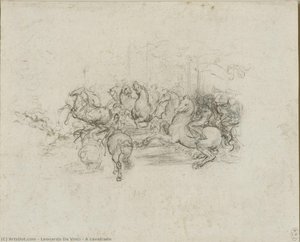
Delivering a Calf
Giclée / Art Print
Reproduction Size
-


Total Price
$ 65
James Ward: A Pioneer of Romantic Animal Painting
James Ward (1769–1859) stands as a significant figure in British art history—a painter whose distinctive approach to animal subjects and landscapes cemented his place within the burgeoning Romantic movement. Often overshadowed by more celebrated contemporaries like Turner and Constable, Ward’s unwavering dedication to observation and meticulous execution yielded works of remarkable beauty and psychological depth that continue to resonate with audiences today. His contribution wasn't merely prolific; it was transformative in establishing a new aesthetic standard for portraying the natural world.A Brother’s Influence: Early Artistic Training
Born into a family steeped in artistic tradition—his brother William Ward being a renowned engraver—James Ward benefited from an environment that fostered creativity and encouraged self-directed learning. While formal training provided foundational skills, Ward's artistic development was primarily shaped by immersing himself in the landscapes of Warwickshire and Gloucestershire, meticulously studying animal behavior and capturing their essence with unparalleled accuracy. This formative experience instilled within him a profound respect for nature’s complexities and would become a cornerstone of his artistic vision. Notably, his initial style mirrored that of George Morland, reflecting the prevailing genre conventions of the time—scenes depicting rural life and domestic interiors—a stylistic choice indicative of Ward's careful consideration of artistic trends.The Romantic Vision: Gordale Scar and Beyond
Around 1803, Ward’s artistic trajectory decisively shifted toward a more emotionally charged aesthetic, aligning fully with the ideals of Romanticism. This pivotal moment saw him embark on his most ambitious project—the monumental depiction of Gordale Scar—a dramatic landscape featuring towering cliffs and turbulent waters. Unlike earlier works characterized by serene beauty, Gordale Scar embodies the Romantic fascination with sublime grandeur and conveys a palpable sense of awe and terror. Ward’s masterful use of graphite and chalk on laid paper achieved an astonishing level of detail, capturing not only the physical contours of the scenery but also its atmospheric mood—a testament to his ability to translate emotion onto canvas.Symbolism in Observation: Capturing Animal Essence
Ward's artistic philosophy extended beyond mere technical proficiency; it was underpinned by a deep understanding of symbolism and psychology. He believed that art should strive to evoke profound emotional responses from the viewer, prompting contemplation on themes of mortality, beauty, and the relationship between humanity and nature. His depictions of animals—particularly calves—were imbued with symbolic significance, representing innocence, vulnerability, and the cyclical rhythms of life. Through careful observation and painstaking rendering, Ward succeeded in conveying not just what he saw but also what he felt—a characteristic that distinguishes his work from more superficial representations of the natural world.A Legacy Enduring: The Yale Collection
Today, James Ward’s paintings reside primarily within the Yale Center for British Art's Paul Mellon Collection, ensuring their preservation and accessibility to scholars and art enthusiasts alike. Reproductions of masterpieces like Gordale Scar continue to inspire interior designers and collectors seeking pieces that embody the spirit of Romanticism—a testament to Ward’s enduring artistic legacy and his profound influence on the development of British landscape painting.Questions & Answers
What orientation does "Delivering a Calf" by James Ward have?
"Delivering a Calf" by James Ward has a landscape format. The format describes the proportions of the composition.
Does the copyright of "Delivering a Calf" by James Ward allow reproductions?
"Delivering a Calf" by James Ward, held at the Yale Center for British Art, is in the public domain - its copyright has expired. This status determines whether reproductions of the image may be made.
How do medium and movement combine in "Delivering a Calf"?
In "Delivering a Calf", the acrylic on canvas technique meets the Romantic Landscape movement.
Related Artworks


Artist Biography
James Ward: A Life in British Art
James Ward (1769-1859) was a prominent British painter renowned for his captivating animal paintings, romantic landscapes, and insightful portraits. Though often overshadowed by contemporaries, his unique style and skill significantly impacted the development of British art during the 19th century.
Early Life and Training
Born on October 23, 1769, in London, United Kingdom, James Ward was the younger brother of engraver William Ward. His early artistic inclinations were nurtured within a creative family environment. While he received some formal training, his development was largely self-directed and heavily influenced by observation and practice.
Artistic Development & Influences
Ward’s career is conventionally divided into two distinct periods regarding influence. Initially, until around 1803, his work bore a strong resemblance to that of his brother-in-law, George Morland, characterized by genre scenes and a focus on everyday life. Following this period, he became deeply inspired by the Baroque master Peter Paul Rubens, adopting a more dynamic composition, rich color palette, and dramatic use of light and shadow.
Notable Works & Artistic Style
Ward’s singular style set him apart from many contemporaries. He excelled in various genres, including history painting, portraiture, landscape, and animal art. Some of his most celebrated works include:
- Gordale Scar (1814/15): Considered his masterpiece, this dramatic depiction of a Yorkshire gorge exemplifies the sublime qualities of English Romanticism.
- The Deer Stealer (1823): Commissioned by Theophilus Levett, this painting showcases Ward’s skill in narrative and animal representation.
- John Levett Hunting at Wychnor, Staffordshire (1817): A portrait of one of his patrons, demonstrating his ability to capture both likeness and atmosphere.
His paintings are characterized by a meticulous attention to detail, particularly in the rendering of animals, combined with a romantic sensibility that emphasizes the beauty and power of nature.
Commissions & Exhibitions
Ward enjoyed patronage from prominent figures like Theophilus Levett, leading to numerous commissions. He regularly exhibited his work at the Royal Academy, gaining recognition for his skill and originality. His admission as a member in 1811 solidified his standing within the British art establishment.
Later Life & Legacy
Ward continued to paint prolifically until a stroke in 1855 curtailed his career. He passed away on November 17, 1859, in relative poverty despite his earlier success.
Despite facing financial hardship later in life, James Ward’s influence on British art remains undeniable. His unique blend of realism and romanticism paved the way for future generations of animal painters and landscape artists. His works are now held in prestigious collections such as Tate Britain and the Yale Center for British Art.
Historical Significance
James Ward occupies a significant position within the transition from the Neoclassical to the Romantic era in British art. He bridged the gap between traditional genre painting and the burgeoning interest in landscape and naturalism, leaving behind a legacy of captivating works that continue to inspire and delight.

James Ward
1769 - 1859 , United Kingdom
Quick Facts
- Name: James Ward
- Movement: Romanticism
- Birth Date: October 23, 1769
- Death Date: November 17, 1859
- Birth Place: London, United Kingdom
- Nationality: British
- Date Of Birth: 1769
- Date Of Death: 1859
- Influenced By:
- George Morland
- Rubens
- Notable Works:
- Gordale Scar
- The Deer Stealer
- John Levett Hunting at Wychnor
- Place Of Birth: London, United Kingdom
Related Articles
Whistler's Masterpieces: Explore 25 Iconic Paintings & Aesthetic Art for Your Home
Journey through 25 iconic James Abbott McNeill Whistler paintings! Explore his masterpieces of Aestheticism, from 'Nocturne in Black and Gold' to captivating portraits. Find museum-quality art reproductions & elevate your home decor with AllPaintingsStore.com. Discover the full collection online.

James Ward: A Study in British Romantic Landscape and Animal Painting
Explore the captivating world of James Ward (1769-1859), a master of British Romantic landscape & animal painting. Discover his iconic 'Gordale Scar' and exquisite portraits – a timeless art investment. Learn about his influences, style, and enduring legacy.

Romantic Landscapes: 10 Masterpieces for Your Home | AllPaintingsStore
Journey through 10 Romantic landscape masterpieces by Friedrich, Turner & Cole. Explore emotional art, sublime nature scenes & iconic 19th-century paintings. Find museum-quality reproductions for your home at AllPaintingsStore.com – discover the full collection online!

Masterpieces of the English Countryside: Top 25 Sir Alfred James Munnings Artworks
Explore 25 iconic Sir Alfred James Munnings masterpieces. Discover timeless equine art on AllPaintingsStore.com.

Animalia: Exploring the Enduring Presence of Animals in Art & Interior Design
Explore the rich history of animal symbolism in art, from ancient mythology to modern masterpieces. Discover how animals have inspired artists for centuries and learn how to incorporate these powerful motifs into your home décor.


