


 Preview
 Send
Send Share
Share
 Details
 Guide
Guide

 Download
 Similars
 X-Ray
X-Ray Diaporama
 Q&A
Q&A Stats
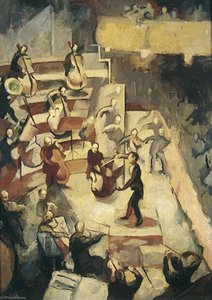
StatsBlackpool Siesta

- 43.0 x 59.0 cm

 Read More
Giclée / Art Print
Museum-quality giclée or canvas print with fast production and flexible finish options. ( Buy Hand Made Painting Switch to Digital Image)




































Pick from our preset sizes that match the artwork's original proportions.

Type the width and the height you need, to fit your frame or your wall. A print can only be cut, never made bigger than the picture, so a size with a different shape loses a part of the image. We send you a digital mockup to approve before we print anything. The picture shown on this page does not show the real cut — only the mockup does.
Worldwide Delivery () in 2 weeks instead of standard 4/5 weeks. (1 November)

Free Worldwide Express Shipping

High-Quality Linen Canvas

Full Shipping Insurance

Customs Tax Refund Guarantee

True Color Matching Guarantee

100-Day Return Policy (Defects Only)

100% Money-Back Guarantee

Bulk Discount Offer
 Glass option is only available in size under 110 CM

Blackpool Siesta
Giclée / Art Print
Reproduction Size
-


Total Price
$ 65
Related Artworks


Artist Biography
A Victorian Vision of Rural England
John Albert Cooper (1894–1943) emerged as a profound voice within the British Impressionist movement, capturing the fleeting soul of the landscape during the late Victorian and early Edwardian eras. While history often reserves its brightest spotlights for luminaries such as Turner or Constable, Cooper carved out a unique space in the art world through his ability to translate the quiet dignity of rural Yorkshire into luminous, breathing canvases. His work serves as more than mere documentation; it is a poignant reflection on a changing social landscape, where the encroaching industrial spirit of the north met the enduring, pastoral beauty of the English countryside.
Born in Leeds, West Yorkshire, Cooper’s early life was steeped in the duality of his surroundings. Growing up amidst the tension between industrial innovation and the ancient rhythms of nature, he developed an eye for the subtle interplay of light and shadow that would become his stylistic hallmark. His formal training at the Leeds School of Art provided him with a rigorous foundation, yet it was his subsequent solo journey into the heart of the landscape that truly defined his artistic identity. He found himself deeply moved by the atmospheric mastery of J.M.W. Turner, seeking to replicate that sense of emotional weight through color and light, while also drawing inspiration from the soft, sensory textures of Impressionist masters like Claude Monet and Pierre-Auguste Renoir.
The Alchemy of Light and Technique
To observe a Cooper landscape is to witness a meticulous study of the natural world’s most transient moments. He possessed an almost spiritual devotion to observing light during the "golden hours" of dawn and dusk, periods when the atmosphere thickens and colors undergo dramatic transformations. His technique was characterized by a masterful use of watercolor, where he applied delicate, thin washes of pigment to build layers of profound luminosity. This method allowed him to achieve a sense of depth that felt both ethereal and grounded, inviting the viewer into a state of quiet contemplation.
Unlike many of his contemporaries who sought only to capture the immediate visual sensation of a scene, Cooper’s work often possessed a deeper, more meditative quality. His brushwork, while loose and impressionistic, was never haphazard; rather, it was directed by an intention to convey mood. Whether depicting the sturdy silhouettes of oasthouses in Menston or the rugged charm of stone cottages, his paintings evoke a sense of permanence amidst change. Through his use of color, he could transform a simple rural structure into a symbol of historical endurance, making his oeuvre a vital record of a vanishing way of life.
Legacy and Artistic Significance
The significance of John Albert Cooper lies in his ability to bridge the gap between traditional academic landscape painting and the emotive freedom of Impressionism. His work remains a testament to the beauty of the British landscape, rendered with a sensitivity that honors both the physical reality of the land and the emotional response of the observer. Even as the world moved toward more abstract forms of expression, Cooper remained committed to the idea that art could serve as a vehicle for spiritual contemplation through the observation of natural splendor.
Today, his contributions to British art history are recognized through his evocative depictions of:
- The Yorkshire Countryside: Capturing the atmospheric charm of rural structures and landscapes.
- Atmospheric Landscapes: Utilizing light and watercolor washes to create depth and emotion.
- Historical Continuity: Reflecting the transition from the Victorian era into a more modern, industrial age.
Though his life was relatively short, ending in 1943, the enduring vitality of his color palettes ensures that his vision of England remains as vibrant and evocative today as it was during his lifetime.
John Albert Cooper
1894 - 1943
Quick Facts
- Artistic Movement Or Style: Impressionism
- Artists Or Movements Influenced By This Artist: ['Turner']
- Artists Who Influenced This Artist: ['Albert Goodwin']
- Date Of Birth: 1894
- Date Of Death: 1943
- Full Name: John Albert Cooper
- Nationality: British
- Notable Artworks: ['Oasthouses, Menston']
- Place Of Birth: Yorkshire


