- Home

- Oil Painting Reproduction
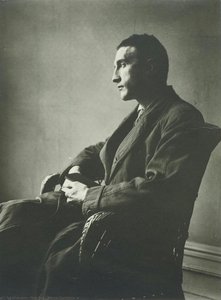
- Man Ray
- Yves Tanguy

 Buy print
 Send
Send Share
Share
 Details

 Download
 Similars
 X-Ray
X-Ray Diaporama
Yves Tanguy


 Read More
Hand Made Oil Reproduction
Hand-painted oil on canvas in your size and frame, made to order by our artists.




P118B $10

P118H $10

P118W $10

P438Z $10

P508JH $12

P508YH $12

P805H $10

P805Z $10

P919BZ $10

P919G $10

P919XJ $10

P959ZH $10

P968JZ $12

W106C $8

W218G $10

W218JH $8

W218Y $10

W307PJ $10

W316G $10

W316PJ $8

W316Y $10

W398PJ $8

W4111J $10

W500HY $15

W500JH $15

W692G $12

W849H $8

W940BG $15

W953PJ $8




Pick from our preset sizes that match the artwork's original proportions.

You may enter your own dimensions to fit a specific frame or space. If your selected size does not match the original image's proportions, we will either crop the artwork or extend the painting with additional hand-painted elements. A digital mockup will be sent for your approval before production begins.
Please note that the on-screen preview does not reflect the actual cropping or extension. Only the mockup will accurately show the final composition.
While custom sizes are available, we recommend selecting a dimension from the predefined list to preserve the original proportions.
After order, AllPaintingsStore.com team will email client for instructions and provide a mockup preview
Worldwide Delivery () in 3/4 weeks instead of standard 5 weeks. (16 July). No compromise on quality.

Free Worldwide Express Shipping

High-Quality Linen Canvas

Full Shipping Insurance

Customs Tax Refund Guarantee

True Color Matching Guarantee

60-Day Return Policy (Defects Only)

100% Money-Back Guarantee

Bulk Discount Offer
 Glass option is only available in size under 110 CM

Yves Tanguy
Reproduction Medium
Reproduction Size
-


Total Price
-
Artwork Description
Yves Tanguy: A Surrealist Landscape of Inner Consciousness
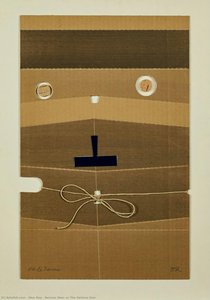
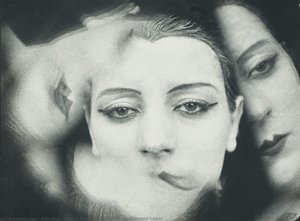
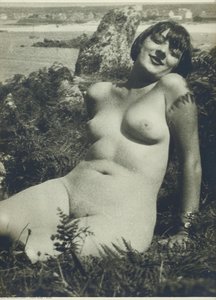
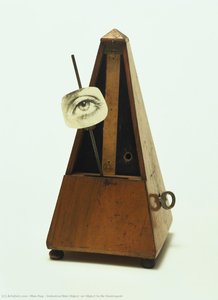
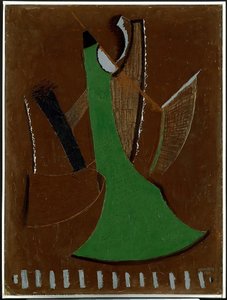
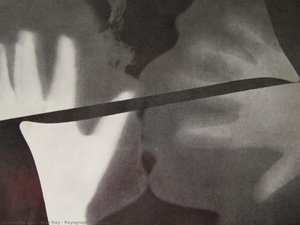
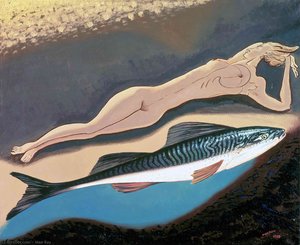
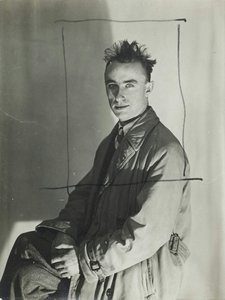
Yves Tanguy’s “The J. Paul Getty Museum Collection” isn't merely a depiction of an artist; it’s a portal into the subconscious mind—a meticulously crafted landscape rendered in monochrome that embodies the core tenets of Surrealism and Man Ray’s pioneering approach to photography. Created in 1926-27, this striking nude figure exemplifies Tanguy’s distinctive style: a deliberate rejection of representational accuracy in favor of evocative abstraction designed to stimulate emotional response and provoke contemplation about the complexities of human experience.- Style & Context: Tanguy firmly established himself within the Surrealist movement spearheaded by André Breton, reacting against rationalism and embracing dreams, irrationality, and chance as sources of artistic inspiration. The Getty Museum’s acquisition underscores the enduring fascination with Tanguy's singular vision—a visual language that prioritizes feeling over factual observation.
- Technique: Executed in ink, pencil, and colored pencil on paper, “Nude” showcases Tanguy’s masterful control of texture and form. The artist employed a technique reminiscent of collage, layering disparate elements to create an unsettling yet mesmerizing composition. Notice the subtle gradations of tone—a testament to Tanguy's meticulous attention to detail—that contribute to the artwork’s haunting atmosphere.
- Composition & Symbolism: The photograph’s central placement emphasizes Tanguy’s presence within the frame, while the addition of a hand-drawn rectangle disrupts conventional perspective and introduces a meta-commentary on the act of framing art itself. The organic shapes—particularly the stylized torso and limbs—suggest an exploration of anatomical form divorced from realistic representation.
- Emotional Impact: “Nude” transcends mere visual depiction; it invites viewers to confront anxieties about vulnerability and identity. The artist’s gaze is direct, conveying a sense of confidence mingled with melancholy—a reflection of the Surrealist preoccupation with psychological states and the subconscious realm.
Man Ray's Photographic Intervention: A Dialogue Between Reality and Imagination
Emmanuel Radnitzky, known universally as Man Ray, fundamentally reshaped photography’s role in artistic discourse by elevating it from a passive recorder of visual information to an active participant in creative expression. His early paintings—influenced by European avant-garde movements like Dadaism—established him as a visionary artist who embraced experimentation and challenged established conventions. The Getty Museum's acquisition reflects Man Ray's enduring legacy as a trailblazer whose innovative techniques pushed the boundaries of photographic practice.- Ready-Made Technique: Like Marcel Duchamp’s seminal “The Gift,” Man Ray championed the ready-made concept—utilizing commonplace objects and materials in unexpected ways to provoke intellectual debate and disrupt conventional notions of artistic value.
- Collaboration & Surrealist Vision: Man Ray actively collaborated with Surrealist painters and poets, providing images for their publications and fostering a spirit of collective exploration—a hallmark of the movement’s ethos.
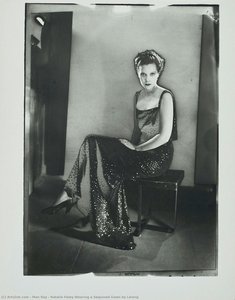
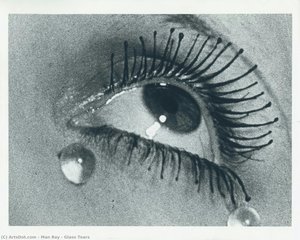
- Silver Gelatin Print Aesthetic: The photograph's monochrome palette—characterized by shades of gray ranging from deep blacks to luminous whites—underscores Man Ray’s commitment to capturing subtle tonal variations that heighten emotional impact and convey a sense of understated beauty.
Exploring the Landscape of Dreams: Surrealism's Pursuit of Inner Truth
Yves Tanguy’s artistic journey mirrored the broader trajectory of Surrealism—a movement born from disillusionment with rational thought and fueled by an unwavering belief in the transformative power of dreams. The Getty Museum’s collection serves as a testament to Tanguy’s enduring influence on subsequent generations of artists who sought to unlock the hidden potential of the subconscious mind.- Breton's Influence: André Breton, the movement’s founder, championed Surrealist principles—including automatism (writing or drawing without conscious control) and juxtaposition—as methods for accessing unconscious desires and confronting repressed emotions.
- The Role of Chance & Imagination: Surrealists recognized that true creativity resided not in logical reasoning but in embracing serendipitous discoveries and allowing imagination to guide artistic endeavors.
A Legacy Enduring Through Reproduction: Bringing Tanguy's Vision Home
Reproductions of Yves Tanguy’s “The J. Paul Getty Museum Collection” offer an unparalleled opportunity to experience the artist’s distinctive style and profound emotional resonance—a chance to engage with a masterpiece that continues to inspire awe and provoke contemplation decades after its creation. Consider framing your chosen print in a neutral hue—such as gray or beige—to complement Tanguy's monochrome aesthetic and honor the artwork's inherent simplicity and elegance.Related Artworks




Artist Biography
A Life Illuminated by Shadows
Emmanuel Radnitzky, known to the world as Man Ray, was a restless spirit who defied easy categorization. Born in 1890 in Philadelphia to Russian Jewish immigrant parents, his journey from aspiring painter to pioneering photographer and filmmaker embodies the radical artistic ferment of the early 20th century. The shift from “Manny” Radnitzky to the enigmatic “Man Ray” itself speaks volumes about an artist determined to forge a new identity, one unbound by convention. His family’s move to New York City proved pivotal, exposing him to the burgeoning modernist scene and instilling in him a lifelong fascination with experimentation. Early influences included the European avant-garde showcased at Alfred Stieglitz's 291 gallery, and the gritty realism of the Ashcan School – a blend that would subtly inform his later work. Though initially dedicated to painting, it was photography that ultimately became Ray’s most potent medium for exploring the boundaries of perception and reality. He wasn't merely capturing images; he was inventing new ways of *seeing*. His early artistic endeavors were marked by a desire to break from traditional styles, influenced by his exposure to both European modernism and the raw energy of New York City life. The Ferrer Centre, with its anarchist leanings and emphasis on free expression, proved particularly formative during this period, fostering an environment where experimentation was not just encouraged but expected.Dada, Surrealism, and the Pursuit of the Impossible
Man Ray's artistic trajectory took a dramatic turn with his encounter with Marcel Duchamp in New York around 1915. This meeting sparked a shared fascination with challenging traditional notions of art, leading to explorations of “ready-mades” – ordinary manufactured objects elevated to the status of artwork. This rebellious spirit propelled Ray into the heart of the Dada movement, an anti-art protest born from the disillusionment of World War I. In 1921, he made the momentous decision to relocate to Paris, becoming a central figure in both the Dada and Surrealist circles that flourished there. While never fully aligning himself with any rigid artistic dogma, Ray embraced the Surrealists’ exploration of the unconscious mind, dreams, and the irrational. His work during this period is characterized by a dreamlike quality, often unsettling yet undeniably captivating. He wasn't interested in depicting reality as it *is*, but rather as it *feels* – fragmented, distorted, and imbued with hidden meanings. This embrace of the subconscious allowed him to move beyond mere representation towards an exploration of psychological states and emotional resonance within his art. His collaborations with other Surrealist artists, like Salvador Dalí, further solidified his position within the movement, though he always maintained a degree of independence in his artistic vision.Rayographs and the Alchemy of Light
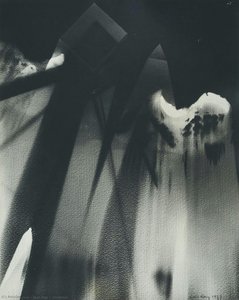
Perhaps Man Ray is most celebrated for his invention of the “rayograph,” a cameraless photographic technique he stumbled upon almost by accident. These images—created by placing objects directly onto light-sensitive paper and exposing them to light—resulted in ethereal, ghostly compositions that defied conventional photographic representation. The rayograph wasn't simply an alternative method; it was a philosophical statement about the nature of photography itself. By eliminating the camera lens, Ray stripped away the illusion of objectivity, revealing the inherent subjectivity of the medium. These weren't representations *of* things, but rather direct imprints *from* them, imbued with a sense of mystery and otherworldliness. Beyond rayographs, his photographic portraits – particularly those of artists like Lee Miller (who would become both his muse and collaborator) – are renowned for their striking compositions and psychological depth. He experimented relentlessly with solarization, multiple exposures, and darkroom manipulation, pushing the boundaries of what photography could achieve. Solarization, in particular, became a signature technique, creating dramatic reversals of tone that added an element of the uncanny to his portraits.Beyond Stillness: Film and a Lasting Legacy
Man Ray’s artistic curiosity extended beyond still images into the realm of filmmaking. His experimental films, such as *Le Retour à la Raison* (1923) and *L'Étoile de Mer* (1928), were characterized by their surreal imagery, unconventional editing techniques, and rejection of narrative conventions. These weren’t stories told in a traditional sense; they were visual poems, explorations of form, rhythm, and the subconscious. He often employed innovative techniques like stop-motion animation and superimposition to create disorienting and dreamlike effects. Though his film work remained relatively small in volume, it was profoundly influential on subsequent generations of avant-garde filmmakers. Throughout his long career, Man Ray continued to challenge artistic norms, refusing to be confined by labels or expectations. He died in Paris in 1976, leaving behind a body of work that continues to inspire and provoke. His legacy lies not only in his technical innovations but also in his unwavering commitment to artistic freedom and his relentless pursuit of the impossible—a true pioneer who forever altered our perception of art and reality. His influence can be seen across various disciplines, from contemporary photography and film to fashion and design, demonstrating the enduring power of his vision.A Continuing Influence
- Photography: Man Ray’s techniques, particularly rayography and solarization, continue to be explored by contemporary photographers.
- Surrealism: His contributions solidified the movement's visual language and inspired countless artists across disciplines.
- Experimental Film: His pioneering work in film laid the groundwork for future generations of avant-garde filmmakers.
- Fashion Photography: Ray’s innovative approach to portraiture and composition influenced the development of modern fashion photography.

Man Ray
1890 - 1976 , United States of America
Quick Facts
- Artistic Movement Or Style: Dada, Surrealism
- Artists Or Movements Influenced By This Artist:
- Surrealism
- Experimental Film
- Artists Who Influenced This Artist: ['Marcel Duchamp']
- Date Of Birth: August 27, 1890
- Date Of Death: November 18, 1976
- Full Name: Emmanuel Radnitzky
- Nationality: American
- Notable Artworks:
- Rayographs
- Le Retour à la Raison
- L'Étoile de Mer
- Place Of Birth: Philadelphia, USA
Related Articles

From Snapshot to Canvas: The Art of Transforming Travel Photography into Timeless Oil Paintings
Transform your cherished travel photos into timeless oil paintings with expert artists at AllPaintingsStore.com. Museum-quality reproductions & custom portraits – preserve your memories beautifully.

Surrealism's Greatest Hits: 10 Masterpieces for Your Home |
Journey into the dreamlike world of Surrealism! Explore 10 masterpieces by Dali, Magritte & Miró. Discover the stories behind these iconic paintings and find museum-quality art reproductions for your home at .
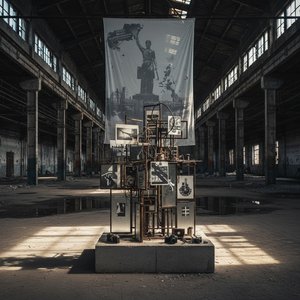
Pavlo Makov: Deconstructing Soviet Legacy Through Conceptual Photography & Installation Art
Explore the compelling work of Ukrainian artist Pavlo Makov, renowned for his conceptual photography deconstructing Soviet legacy. Discover his unique artistic process and investment potential.
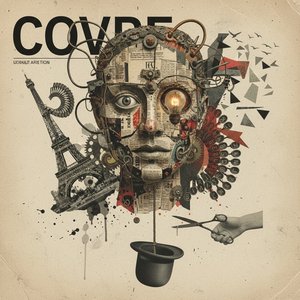
Dadaism: A Rebellion Against Reason – Exploring the Origins, Characteristics, and Enduring Legacy of an Anti-Art Movement
Explore the revolutionary Dada art movement! Discover its origins in WWI, key artists like Duchamp & Höch, core principles, and lasting impact on modern and contemporary art. A comprehensive guide for enthusiasts.

Surrealism's Visionaries: 10 Masterpieces for Your Home | AllPaintingsStore
Journey into the dreamlike world of Surrealism! Explore 10 masterpieces by Dali, Magritte & Miró that redefined art. Discover their stories & find museum-quality reproductions to elevate your home decor on AllPaintingsStore.com.
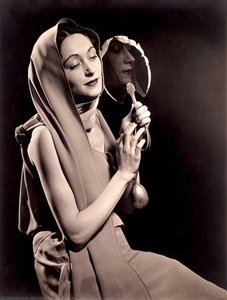
![Marcel Duchamp, Belle Haleine Eau de Voilette [Belo Hálito Água de Veuzinho]](/media/artworks/images/thumbnails/80/38/8038aa03f27f4fd7a1f1002eecaf6c89.jpg)