1911. Acrylic, 91.0 x 127.0 cm.

§ 1Catalogue data

- 91.0 x 127.0 cm


This Artwork Is Under Copyright Protection
The artwork displayed on this page is protected by copyright law, which means we cannot legally create or sell an identical reproduction. This protection is enforced under international agreements such as the Berne Convention and by national laws, including those outlined by the U.S. Copyright Law - Title 17.
As a respectful and legal alternative, we offer custom, hand-painted artworks inspired by the original. Our skilled and professional artists carefully study the original's style, mood, and artistic essence to create a new, unique piece that evokes the same feeling - while remaining an original creation in its own right.
This method fully complies with copyright regulations because it does not involve copying or duplicating the protected artwork. Instead, it is a creative reinterpretation - a new painting that is influenced by the original but not identical to it.
 Read more
§ 2Abstract
Collectible Description
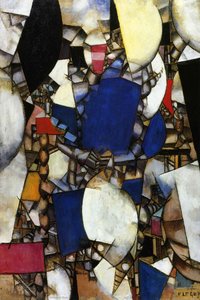
Marcel Duchamp’s enigmatic ‘The Bush,’ a Dada masterpiece from 1911, presents two women intertwined before a solitary tree against a serene blue backdrop—a bold challenge to artistic conventions and an invitation to contemplate the essence of perception.
Artist Biography
Marcel Duchamp: Revolutionary artist who challenged art's definition with Dadaism & readymades like 'Fountain.' Explore his iconic works & philosophical impact.
§ 3Commentary
A Moment Frozen in Time: Marcel Duchamp’s “The Bush”
- Subject Matter: The painting depicts two women positioned before a tree, capturing an intimate tableau of companionship and contemplation. Their gaze is directed towards something unseen beyond the frame, inviting viewers to imagine its significance – perhaps a shared observation or unspoken connection.
- Style: Duchamp’s “The Bush” exemplifies Surrealist aesthetics, prioritizing dreamlike imagery and subconscious associations over rational representation. It abandons traditional artistic conventions in favor of an experimental approach that anticipates the broader developments of Dada and Surrealism.
Technique and Material Considerations
- Medium: Executed in oil on canvas, Duchamp utilized a meticulous layering technique characteristic of Impressionism but deliberately rejecting its focus on capturing fleeting visual impressions. Instead, he sought to create an atmosphere of stillness and quietude.
- Color Palette: The dominant hue is a serene blue, which serves as the backdrop for the figures and tree—a color often associated with tranquility, spirituality, and introspection. Subtle variations within the blue contribute to depth and visual harmony.
Historical Context – Dada’s Challenge to Artistic Norms
- Dada Movement: “The Bush” emerged during the Dada movement (1916-1923), a reaction against the horrors of World War I and the perceived hypocrisy of bourgeois society. Dada artists deliberately undermined established artistic standards, embracing chance operations and rejecting aesthetic judgments.
- Conceptual Art: Duchamp’s work is considered foundational to Conceptual art—an artistic practice that prioritizes ideas over visual appearance. “The Bush” embodies this ethos by questioning the very definition of sculpture and challenging viewers to reconsider their preconceptions about art’s role in society.
Symbolism and Emotional Resonance
- The Tree: The tree symbolizes resilience, growth, and connection to nature—themes frequently explored in Surrealist art. Its presence suggests a grounding force amidst the ethereal atmosphere of the scene.
- Female Figures: The two women represent femininity, vulnerability, and intimacy. Their posture conveys a sense of openness and receptiveness, inviting viewers to contemplate themes of connection and shared experience.
Interior Design Inspiration
- Mood: “The Bush” evokes feelings of serenity, contemplation, and understated beauty—qualities that align well with minimalist interior design styles. Its muted color palette and focus on form can serve as a powerful source of inspiration for creating calming and aesthetically pleasing spaces.
Questions & Answers
Where does "The Bush" sit within Marcel Duchamp's body of work?
"The Bush" belongs to Marcel Duchamp's Cubist Surrealism work, whose recorded themes include formal experimentation, gender critique, anti-establishment spirit, conceptual challenge, duchamp legacy.
What technique was used for "The Bush" by Marcel Duchamp?
The medium of "The Bush" by Marcel Duchamp is acrylic. Reproductions aim to render the appearance of this technique.
Toward which tone does "The Bush" lean?
The dominant hue of "The Bush" by Marcel Duchamp is green to violet spectrum. The hue is the underlying tone of the palette.




 Switch to Print


 For artworks or reproductions larger than 105 cm (approximately 41 inches) on any side, the frame will be shipped as a kit, disassembled. This method ensures safe delivery and prevents damage during transport.