

1900. Acrylic On Canvas. Nasjonalgalleriet.

§ 1Catalogue data


§ 2Abstract
 Read More
Artist Biography
Post-Impressionist master Paul Cezanne bridged Impressionism and Cubism with Mont Sainte-Victoire. Explore his revolutionary works today.
§ 3Commentary
The Painting
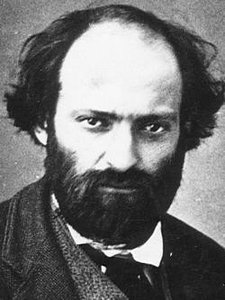
Paul Cezanne's Seated Man, created in 1900, is a quintessential example of Post-Impressionist art. This oil on canvas painting is housed at the Nasjonalgalleriet (Oslo, Norway), a renowned museum known for its comprehensive collection of Norwegian and international art.Composition and Symbolism
The painting depicts a man sitting in a chair with his hands clasped together in his lap. He is dressed in formal attire, suggesting he might be preparing for an important event or meeting. The man's gaze is directed away from the viewer, lost in thought, which adds to the contemplative atmosphere of the piece. Behind him, a couch and another chair are visible, while a book lies on the floor near his feet, indicating that he may have been interrupted while reading.Lighting and Technique
The use of light in Seated Man is noteworthy. Cezanne employs a subtle play of light and shadow to create depth and volume in the painting. This technique, known as chiaroscuro, was a hallmark of Post-Impressionism. The artist's mastery of capturing the interplay between light and darkness adds a sense of realism and emotional depth to the work.Artistic Context
Seated Man is part of Cezanne's later works, which are characterized by their simplicity and focus on form. This period saw him moving away from the more vibrant colors of his earlier pieces towards a more subdued palette, emphasizing structure and composition.Relevance in Art History
The painting is significant not only for its aesthetic appeal but also for its place in the evolution of modern art. Cezanne's influence on subsequent movements, such as Cubism and Fauvism, is well-documented. His innovative approach to form and light paved the way for a new generation of artists.Conclusion
Seated Man by Paul Cezanne is a masterpiece that encapsulates the essence of Post-Impressionism. Its thoughtful composition, masterful use of light, and historical significance make it a compelling piece for art enthusiasts. For those interested in exploring more works by Cezanne or other artists from this period, Paul Cezanne: Seated Man and Light in Painting provide valuable insights.Additional Resources
- Edvard Munch: Portrait of Inger, sister of the artist - Edvard Munch: Eventyrskogen, omkring - Jan Van Der Heyden: The Oude Kerk on the Oude Delft in Delft (detail) - Nasjonalgalleriet (Oslo, Norway) - A Comprehensive OverviewQuestions & Answers
Where can I find statistics about "Seated Man" by Paul Cézanne?
The Stats page of "Seated Man" by Paul Cézanne presents public visit statistics: monthly visits of this artwork, a comparison with the artist's most viewed works, and where its visitors come from.
Can "Seated Man" by Paul Cézanne, held at the Nasjonalgalleriet, be legally reproduced?
"Seated Man" by Paul Cézanne, held at the Nasjonalgalleriet, is in the public domain - its copyright has expired. This status determines whether reproductions of the image may be made.
Who is the author of "Seated Man", and in which movement?
"Seated Man" was created by Paul Cézanne in the Post-Impressionism style. Artist and movement identify the work's tradition.


 Switch to Print


 For artworks or reproductions larger than 105 cm (approximately 41 inches) on any side, the frame will be shipped as a kit, disassembled. This method ensures safe delivery and prevents damage during transport.


