Money-Back Guarantee · 100 days Free Worldwide Delivery
449,581artworks 30,613artists 4,660museums 32languages
Currency
    Language
      Atelier · Est. 2015 · Paris, France
      AllPaintingsStore
      allpaintingsstore.com
      Preview AR preview Switch to Print Switch to Digital Image Send
      Details Guide Add to favorites Download Similars X-Ray Diaporama Stats

      The Auction

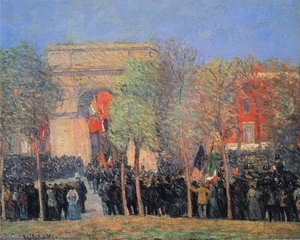
      A lively gathering of people surrounds a central figure in Robert Spencer's 1918 oil painting The Auction, capturing the vibrant spirit of American Impressionism and inviting you to explore this timeless masterpiece.

      Robert Spencer (1879-1931) was a prominent American Impressionist painter known for his evocative scenes of industrial life, mills, and working-class America. Explore his powerful depictions of the Delaware River region & discover why he's considered

      Hand Made Oil Reproduction

      Hand-painted oil on canvas in your size and frame, made to order by our artists. ( Switch to Print Switch to Digital Image)

      Corner sample of the P118B picture frame: moulded polystyrene, 5 cm wide and 3 cm thick
      P118B $10
      Corner sample of the P118H picture frame: moulded polystyrene, 5 cm wide and 3 cm thick
      P118H $10
      Corner sample of the P118W picture frame: moulded polystyrene, 5 cm wide and 3 cm thick
      P118W $10
      Corner sample of the P438Z picture frame: moulded polystyrene, 5.5 cm wide and 3.5 cm thick
      P438Z $10
      Corner sample of the P508JH picture frame: moulded polystyrene, 7 cm wide and 3.5 cm thick
      P508JH $12
      Corner sample of the P508YH picture frame: moulded polystyrene, 7 cm wide and 3.5 cm thick
      P508YH $12
      Corner sample of the P805H picture frame: moulded polystyrene, 5 cm wide and 3.5 cm thick
      P805H $10
      Corner sample of the P805Z picture frame: moulded polystyrene, 5 cm wide and 3.5 cm thick
      P805Z $10
      Corner sample of the P919BZ picture frame: moulded polystyrene, 7 cm wide and 3.5 cm thick
      P919BZ $10
      Corner sample of the P919G picture frame: moulded polystyrene, 7 cm wide and 3.5 cm thick
      P919G $10
      Corner sample of the P919XJ picture frame: moulded polystyrene, 7 cm wide and 3.5 cm thick
      P919XJ $10
      Corner sample of the P959ZH picture frame: moulded polystyrene, 5 cm wide and 3 cm thick
      P959ZH $10
      Corner sample of the P968JZ picture frame: moulded polystyrene, 6 cm wide and 4 cm thick
      P968JZ $12
      Corner sample of the W106C picture frame: solid wood, 5 cm wide and 3 cm thick
      W106C $8
      Corner sample of the W218G picture frame: solid wood, 5 cm wide and 3 cm thick
      W218G $10
      Corner sample of the W218JH picture frame: solid wood, 5 cm wide and 3 cm thick
      W218JH $8
      Corner sample of the W218Y picture frame: solid wood, 5 cm wide and 3 cm thick
      W218Y $10
      Corner sample of the W307PJ picture frame: solid wood, 6 cm wide and 3 cm thick
      W307PJ $10
      Corner sample of the W316G picture frame: solid wood, 6 cm wide and 3 cm thick
      W316G $10
      Corner sample of the W316PJ picture frame: solid wood, 6 cm wide and 3 cm thick
      W316PJ $8
      Corner sample of the W316Y picture frame: solid wood, 6 cm wide and 3 cm thick
      W316Y $10
      Corner sample of the W398PJ picture frame: solid wood, 5 cm wide and 3 cm thick
      W398PJ $8
      Corner sample of the W4111J picture frame: solid wood, 6.5 cm wide and 3.5 cm thick
      W4111J $10
      Corner sample of the W500HY picture frame: solid wood, 7 cm wide and 5 cm thick
      W500HY $15
      Corner sample of the W500JH picture frame: solid wood, 7 cm wide and 5 cm thick
      W500JH $15
      Corner sample of the W692G picture frame: solid wood, 8 cm wide and 4 cm thick
      W692G $12
      Corner sample of the W849H picture frame: solid wood, 5 cm wide and 3 cm thick
      W849H $8
      Corner sample of the W940BG picture frame: solid wood, 7.5 cm wide and 4.5 cm thick
      W940BG $15
      Corner sample of the W953PJ picture frame: solid wood, 6 cm wide and 3.5 cm thick
      W953PJ $8

      Standard
      custom
      CM
      INCH

      Pick from our preset sizes that match the artwork's original proportions.

      width
      height

      Type the width and the height you need, to fit your frame or your wall. This is hand-painted, so for a size with a different shape the artist can paint a bit more around the picture, or cut a bit — you choose. We send you a digital mockup to approve before the painting starts. The picture shown on this page does not show the real result — only the mockup does.

      Examples of what can be changed: Replace face with customer photo; Add pet (e.g., replace cat with dog); Include hidden message in background; Change background landscape or elements.
      After order, AllPaintingsStore.com team will email client for instructions and provide a mockup preview

      Worldwide Delivery () in 3/4 weeks instead of standard 5 weeks. (27 October). No compromise on quality.

      Free Worldwide Express Shipping
      High-Quality Linen Canvas
      Full Shipping Insurance
      Customs Tax Refund Guarantee
      True Color Matching Guarantee
      100-Day Return Policy (Defects Only)
      100% Money-Back Guarantee
      Bulk Discount Offer

      Total Price

      $ 258

      The Auction

      Reproduction Medium

      Reproduction Size

      -

      Total Price

      $ 258

      Quick Facts

      • Notable elements: Man with plate, dog, bottles, chair
      • Movement: American Impressionism
      • Artist: Robert Spencer
      • Medium: Oil on canvas

      A Captivating Moment Frozen in Time

      In the vibrant tapestry of American Impressionism, few works capture the kinetic energy of social interaction as masterfully as Robert Spencer’s 1918 masterpiece, The Auction. This large-scale oil on canvas invites the viewer into a bustling, lived-in world where the boundaries between observer and participant dissolve. At the heart of this composition stands a central figure, commanding attention as he holds a plate aloft, acting as the focal point for a diverse assembly of characters. The scene is thick with the atmosphere of a lively gathering, a momentary pause in the rhythm of daily life that feels both intimate and grand. Through his brushwork, Spencer does more than merely depict a crowd; he orchestrating a symphony of human connection, where every gaze and gesture contributes to a larger narrative of community and shared experience.

      The technical prowess displayed in The Auction is a testament to Spencer’s background as a draftsman, blending structural precision with the fluid, emotive qualities of Impressionism. The artist utilizes a rich palette to breathe life into the scene, employing light and shadow to create depth and a sense of three-dimensional space. Notice how the light catches the edges of the various objects scattered throughout the room—the glint on a bottle, the texture of a chair, or the subtle movement of a dog resting in the corner. These details are not merely decorative; they serve to ground the painting in a tangible reality. The technique allows for a rhythmic flow that guides the eye across the canvas, from the foreground figures to the more obscured individuals in the background, ensuring that the viewer’s journey through the painting is one of continuous discovery.

      The Soul of Industrial America

      To truly appreciate The Auction, one must consider the historical heartbeat of Robert Spencer’s era. As a painter deeply attuned to the burgeoning industrial landscape of the early 20th-century United States, Spencer possessed a unique ability to find beauty in the mundane and dignity in the working-class experience. This painting serves as a window into a period of profound social transition. The gathering depicted is not one of high aristocracy, but rather a slice of life that reflects the communal spirit of an era defined by labor and local connection. The presence of everyday objects—bottles, plates, and simple furniture—symbolizes the shared material reality of the subjects, grounding the artistic expression in a profound sense of social truth.

      For the discerning collector or interior designer, this artwork offers much more than visual splendor; it provides an emotional anchor for any space. The painting’s ability to evoke warmth, nostalgia, and a sense of lively companionship makes it an ideal centerpiece for a sophisticated study, a grand dining room, or a curated gallery wall. A high-quality reproduction of The Auction allows the timeless elegance of Spencer’s vision to inhabit modern environments, bringing with it a storied past and a sophisticated aesthetic. It is a piece that invites conversation, prompting onlookers to wonder about the stories behind the faces in the crowd and the significance of the moment being auctioned, making it an enduring investment in both art and atmosphere.

      Questions & Answers

      What color leads the composition of "The Auction" by Robert Spencer?

      sap green (#6f6f4b) is the leading color of "The Auction" by Robert Spencer.

      How do medium and movement combine in "The Auction"?

      "The Auction" is made in oil on canvas, in the American Impressionism style.

      What is "The Auction" about?

      The themes present in "The Auction" by Robert Spencer include auction, social gathering, people, group scene, american life, 1918 painting. Together they summarize the artwork's subject matter.


      Artist Biography

      Robert Spencer: A Painter of Industrial America

      Robert Carpenter Spencer (1879-1931) stands as a compelling figure within the American Impressionist movement, yet his legacy is often intertwined with a poignant narrative of struggle and artistic evolution. Born in Harvard, Nebraska, into a family rooted in Swedenborgian ministry, Spencer’s early life was marked by constant relocation, shaping his perspective on community and labor – themes that would become central to his distinctive artistic vision. His formative years, spent amidst the burgeoning industrial landscape of Pennsylvania and New Jersey, provided an intimate understanding of the lives of working-class Americans, a subject rarely explored with such directness in contemporary art.

      Spencer’s artistic journey began modestly, initially as a draftsman for a civil engineering firm. However, his true calling lay in capturing the essence of his surroundings through paint. He honed his skills at the National Academy of Design in New York City, where he benefited from instruction under William Merritt Chase and, crucially, Robert Henri – a key figure in the Ashcan School movement that championed realism and social commentary. This period laid the foundation for his later focus on depicting the realities of industrial life, particularly the mills and factories dominating the Delaware River region.

      The New Hope Group and Early Style

      In 1913, Spencer joined a collective of artists known as The New Hope Group, alongside figures like Charles Rosen, Daniel Garber, and William Lathrop. This group, centered in New Hope, Pennsylvania, provided a vital platform for exhibiting and discussing their work. It was during this time that Spencer’s style truly began to coalesce – characterized by short, tight brushstrokes, a vibrant palette, and an emphasis on capturing fleeting moments of light and atmosphere. His early works, such as “The Silk Mill” (1912) and “Grey Mills” (1913), are particularly notable for their evocative portrayal of the mills and the women who labored within them. These paintings weren’t simply depictions of factories; they were intimate studies of human experience, revealing the dignity and resilience of those whose lives were inextricably linked to the machinery.

      Influenced by Daniel Garber, Spencer developed a distinctive approach to landscape painting, often incorporating figures into his scenes – a deliberate choice that underscored the interconnectedness between humanity and its environment. His paintings frequently featured workers engaged in their daily routines, bathed in the dramatic light of dawn or dusk. These images weren’t romanticized; they presented a raw and honest portrayal of industrial labor, reflecting the hardships and challenges faced by these individuals.

      Themes of Isolation and Resilience

      Spencer's work is deeply imbued with themes of isolation and resilience. His subjects – often solitary figures amidst vast industrial landscapes – convey a sense of quiet contemplation and stoic endurance. Paintings like “The Closing Hour” (1913) and "Repairing the Bridge" (1913) capture the final moments of the workday, suggesting both exhaustion and a quiet determination to persevere. The Delaware River region, with its mills and canals, became a recurring motif in his work, symbolizing not only the economic heartland of Pennsylvania but also the complex relationship between humanity and nature.

      Despite achieving recognition within the art world – including acquisitions by institutions like the Metropolitan Museum of Art – Spencer’s personal life was marked by instability. His marriage to Margaret Fulton proved difficult, and he struggled with periods of depression and mental illness. These challenges undoubtedly influenced his artistic output, adding a layer of melancholy and introspection to his work.

      Legacy and Historical Significance

      Robert Spencer's contribution to American art lies in his unflinching portrayal of industrial America during a period of rapid transformation. He offered a rare glimpse into the lives of working-class Americans, challenging conventional notions of beauty and elevating the dignity of labor. His paintings are not merely representations of factories and mills; they are powerful statements about human resilience, social inequality, and the enduring spirit of community.

      While his life was tragically cut short by suicide in 1931, Spencer’s artistic legacy endures. His evocative depictions of the Delaware River region continue to resonate with viewers today, reminding us of the importance of documenting and understanding the experiences of ordinary people – a mission that remains profoundly relevant in our own time.

      Robert Spencer

      Robert Spencer

      1879 - 1931 , United States of America

      Quick Facts

      • Full Name: Robert Carpenter Spencer
      • Nationality: American
      • Date Of Birth: 1879
      • Date Of Death: 1931
      • Place Of Birth: Lincoln, United States of America
      • Notable Artworks:
        • The Silk Mill (1912)
        • Grey Mills (1913)
        • Repairing the Bridge (1913)
      • Artistic Movement Or Style: Impressionism
      • Artists Who Influenced This Artist:
        • William Merritt Chase
        • Daniel Garber
        • William Lathrop
      • Artists Or Movements Influenced By This Artist: ['New Hope Group']
      Explore artworks organized by themes, styles, and characteristics.