Money-Back Guarantee · 100 days Free Worldwide Delivery
449,587artworks 30,613artists 4,660museums 32languages
Catalogue entry

Untitled (D2X2RT)

1620. Acrylic On Canvas, 120.0 x 88.0 cm. Metropolitan Museum of Art.

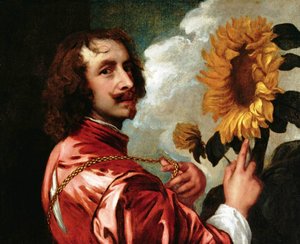
Fig. 1. Sir Anthony van Dyck, Untitled (D2X2RT), 1620. Shown as the reproduction you are specifying: , .

§ 1Catalogue data

Dimensions
120.0 x 88.0 cm

§ 2Abstract

Collectible Description

Artist Biography

Sir Anthony van Dyck (1599-1641): Master Flemish Baroque painter renowned for elegant portraits of European aristocracy & Charles I's court. Influential in English art, known for religious scenes & innovative style.

§ 3Commentary

Sir Anthony van Dyck: A Portrait of Renaissance Elegance

Anthony van Dyck’s “Untitled (D2X2RT)” stands as a testament to the artistic fervor of the Baroque period, specifically capturing the spirit of 1620-21 – a time when Antwerp flourished as a cosmopolitan hub and Van Dyck himself was establishing his reputation as one of Europe's foremost portraitists. This painting isn’t merely a depiction of an individual; it’s an embodiment of aristocratic refinement and a masterful demonstration of artistic innovation.

  • Subject Matter: The artwork portrays Sir Anthony van Dyck himself, presented with dignified composure against a backdrop that subtly incorporates architectural elements – hinting at the grandeur of European courts.
  • Style & Technique: Van Dyck’s signature style is characterized by an unparalleled sensitivity to light and shadow, achieved through meticulous layering of glazes—a technique perfected during his time in Italy. This masterful handling creates a luminous effect that imbues the portrait with depth and realism.
  • Historical Context: Painted during Van Dyck's tenure at Charles I’s court, “Untitled (D2X2RT)” reflects the prevailing aesthetic ideals of the era – prioritizing elegance, restraint, and psychological insight. It exemplifies the Baroque preoccupation with capturing not just outward appearance but also inner character.

Exploring Symbolism & Composition

The artist’s posture—hands resting on his hips—communicates confidence and authority, aligning perfectly with the social status of Van Dyck during this period. The inclusion of a ring and necklace serves as subtle emblems of wealth and nobility, reinforcing the portrait's message of aristocratic distinction. Furthermore, the architectural setting contributes to the overall composition by grounding the figure within a broader visual narrative.

  • Color Palette: Van Dyck employed a restrained color palette dominated by muted tones—primarily browns and blacks—creating an atmosphere of solemn dignity. However, strategic highlights illuminate key features, drawing attention to the artist’s face and conveying a sense of inner contemplation.
  • Lighting Effects: The diffused light emanating from the window casts soft shadows across Van Dyck's form, enhancing the portrait’s realism and subtly emphasizing his gaze downward—a gesture that invites viewers to engage in an unspoken dialogue with the subject.

A Legacy of Artistic Influence

"Untitled (D2X2RT)" is more than just a beautiful painting; it's a pivotal work in art history. Van Dyck’s innovative approach to portraiture profoundly impacted subsequent generations of artists, establishing him as a pioneer of psychological realism and influencing the stylistic conventions of Baroque painting across Europe. Reproductions of this masterpiece offer collectors and interior designers alike an opportunity to experience firsthand the enduring allure of Renaissance elegance and artistic brilliance.

  • Emotional Impact: The portrait exudes tranquility and introspection, capturing Van Dyck’s contemplative gaze as he observes something beyond the frame—a gesture that speaks to the artist's profound engagement with his subject matter.
  • Decorative Potential: Its understated sophistication lends itself beautifully to interior spaces seeking a touch of timeless elegance – complementing classic furnishings and creating an atmosphere of refined serenity.

A stunning reproduction of “Untitled (D2X2RT)” allows you to appreciate the artistry of Sir Anthony van Dyck and immerse yourself in the captivating spirit of Baroque Europe.

Questions & Answers

What placement suits the format of "Untitled (D2X2RT)" by Sir Anthony van Dyck?

With its portrait shape, a reproduction of "Untitled (D2X2RT)" is suggested for a living room.

What technique and size is the original "Untitled (D2X2RT)" by Sir Anthony van Dyck?

"Untitled (D2X2RT)" was made in acrylic on canvas and measures 120 x 88 cm in its original form.

What technique was used for "Untitled (D2X2RT)", and when was it created?

"Untitled (D2X2RT)" was made in 1620, in acrylic on canvas.
§ 4The artist

Sir Anthony van Dyck

Sir Anthony van Dyck

1599 - 1641, Belgium

Quick facts about Sir Anthony van Dyck

  • Full Name: Sir Anthony van Dyck
  • Nationality: Flemish
  • Date Of Birth: 1599
  • Date Of Death: 1641
  • Place Of Birth: Antwerp, Belgium
  • Notable Artworks:
    • Portrait of a woman and child
    • Equestrian portrait of Charles I
    • Lord John Stuart & brother
    • Charity
    • Charles I in Three Positions
    • Rinaldo and Armida
    • Portrait of Nicolaes van der Borght
  • Artistic Movement Or Style: Baroque
  • Artists Who Influenced This Artist: ['Peter Paul Rubens']
  • Artists Or Movements Influenced By This Artist: ['English portrait painting']

Artist Biography

A Flemish Master at the Courts of Europe

Sir Anthony van Dyck, born in Antwerp in 1599, emerged as one of the most celebrated and influential portraitists of the Baroque era. His life, though tragically cut short at just forty-two years old, was a whirlwind of artistic exploration and prestigious commissions that took him from his native Flanders to Italy and ultimately to the heart of the English court. From an early age, van Dyck displayed remarkable talent, entering Hendrick van Balen’s workshop as a young apprentice and quickly absorbing the prevailing styles of the time. However, it was his association with Peter Paul Rubens – not merely as a student but as a collaborator – that truly shaped his artistic foundation. He learned from Rubens' dynamic compositions, rich color palettes, and masterful handling of light and shadow, yet van Dyck soon began to forge his own distinct path, one characterized by an elegance and refinement that would become his signature.

Italian Sojourns and the Birth of a Style

The years van Dyck spent in Italy, beginning around 1621, proved pivotal in his artistic development. He resided primarily in Genoa, where he found favor among the city’s aristocratic families. It was here that he began to cultivate the sophisticated style for which he would become renowned – a style marked by graceful poses, luxurious fabrics, and an almost palpable sense of nobility. Unlike the robust energy often found in Rubens' work, van Dyck’s Italian portraits exude a refined composure, capturing not just physical likeness but also the inner character and social standing of his sitters. During this period, he also embarked on his *Iconography*, a series of meticulously rendered portrait etchings featuring prominent figures of his time – artists, scholars, and rulers alike. This project showcased his exceptional technical skill and established him as a leading printmaker. These etchings weren’t simply records; they were carefully constructed images designed to immortalize the subjects and convey their status and intellect.

The King's Painter: Van Dyck in England

In 1632, van Dyck received an invitation that would forever alter his career trajectory – a summons from Charles I of England to become the court painter. This appointment marked a turning point, not only for van Dyck but also for English portraiture. He arrived in London with a considerable reputation and quickly became indispensable to the king, tasked with creating images that projected an aura of power, majesty, and divine right. Van Dyck’s portraits of Charles I are particularly noteworthy; he moved away from the stiff, formal representations favored by earlier artists, instead portraying the king as a dynamic, charismatic leader. He employed innovative techniques – dramatic lighting, sweeping gestures, and carefully chosen backgrounds – to create images that were both visually stunning and politically charged. His influence extended beyond the royal family, shaping the visual culture of the English aristocracy for generations to come. He didn’t just paint portraits; he crafted an image of kingship, influencing how royalty was perceived for over a century.

Legacy and Enduring Influence

Van Dyck's untimely death in 1641 robbed the art world of a prodigious talent, but his legacy endures to this day. His impact on English portraiture is immeasurable; he established a standard of elegance and sophistication that subsequent artists would strive to emulate.
  • Technical Innovation: He was a master of both oil painting and etching, constantly experimenting with new techniques.
  • Stylistic Refinement: His portraits are characterized by their graceful poses, luxurious fabrics, and subtle psychological insights.
  • Courtly Influence: He transformed the image of the English monarchy, creating a visual language of power and prestige.
Beyond his technical prowess, van Dyck possessed an exceptional ability to capture the essence of his sitters – their personality, their social standing, and their aspirations. His works continue to captivate audiences with their beauty, elegance, and enduring psychological depth. The Balbi Children, Charles I in Three Positions, and countless other masterpieces stand as testaments to his genius, ensuring that Sir Anthony van Dyck remains one of the most celebrated artists of the Baroque period. His influence can still be seen today in fashion, photography, and contemporary portraiture, a testament to the timeless appeal of his art.

§ 5Comparanda

§ 6Questions

Quick Facts

  • Subject or theme: Self-portrait
  • Notable elements or techniques: Elegant portraiture; Dynamic composition
  • Artistic style: Refined elegance; Subtle shading
  • Title: Untitled (D2X2RT)
  • Artist: Sir Anthony van Dyck
  • Movement: Baroque

Art Quiz

There is only one correct answer for each question.

Question 1:
What is the primary subject matter of this painting?
Question 2:
In what year was this artwork created?
Question 3:
The painting depicts Anthony van Dyck in what attire?
Question 4:
What is the artist's pose conveying?
Question 5:
The backdrop of the painting includes what elements?

§ 7Cite this entry

AllPaintingsStore.com, “Sir Anthony van Dyck, Untitled (D2X2RT) (1620)”, https://allpaintingsstore.com/en/art/sir-anthony-van-dyck-untitled-d2x2rt-D2X2RT-en/ArtistReproduction/ (accessed 4 October 2026).

§ 8The reproduction

Hand Made Oil Reproduction

Hand-painted oil on canvas in your size and frame, made to order by our artists. ( Switch to Print Switch to Digital Image)

It is specified on the order sheet in the margin; the present state of that sheet reads as follows.

Untitled (D2X2RT)

Reproduction Medium

Reproduction Size

-

Elite Senior Artist

More detail, finesse, and extra production time

-

Reproduction Frame

-

-

For artworks or reproductions larger than 105 cm (approximately 41 inches) on any side, the frame will be shipped as a kit, disassembled. This method ensures safe delivery and prevents damage during transport.

Professional assembly required - this is not a DIY product.
The kit must be assembled and the canvas stretched by an experienced professional framer, using wood glue (not supplied), a canvas stretching plier and clamps to hold the bars square while the glue dries. Incorrect assembly or uneven canvas tension can permanently damage the artwork and is not covered by our warranty.

  • All solid wood bars are included, precisely cut to size.

  • Assembled with the screws provided, plus wood glue for the corner joints, which is not supplied and must be sourced by your framer.

  • Professional tools are required and not included: a canvas stretching plier (tensioner) and clamps to hold the bars square while the glue dries.

Important:
The corner joints require wood glue, the bars must be held with clamps until the glue is fully dry, and tightening the canvas on the assembled frame requires a canvas stretching plier. None of these are included in the kit. Please arrange an experienced professional framer before ordering this size.

Nameplate

-

-

Protective Varnish

Glossy Varnish (enhances colors, protects against light/moisture)

-

Customize My Artwork

Examples of what can be changed: Replace face with customer photo; Add pet (e.g., replace cat with dog); Include hidden message in background; Change background landscape or elements.

-

Urgent

Worldwide Delivery () in 3/4 weeks instead of standard 5 weeks. (1 November). No compromise on quality.

-

Express Shipping

Worldwide Delivery () in 5 weeks. (8 November).

Included

Total Price

$ 258

Included with every order

  • Free Worldwide Express Shipping
  • High-Quality Linen Canvas
  • Full Shipping Insurance
  • Customs Tax Refund Guarantee
  • True Color Matching Guarantee
  • 100-Day Return Policy (Defects Only)
  • 100% Money-Back Guarantee
  • Bulk Discount Offer
Order sheet