


 Preview
 Send
Send Share
Share
 Details

 Download
 Similars
 X-Ray
X-Ray Diaporama
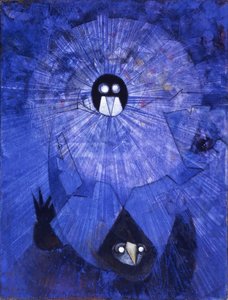
Embarkation
 1962
1962 123.0 x 92.0 cm
 Read More
Giclée / Art Print
Museum-quality giclée or canvas print with fast production and flexible finish options. ( Buy Hand Made Painting Buy Image)




































Pick from our preset sizes that match the artwork's original proportions.

You may enter your own dimensions to fit a specific frame or space. If your selected size does not match the original image's proportions, we will either crop the artwork or extend the image with a mirrored or solid-fill edge. A digital mockup will be sent for your approval before production begins.
Please note that the on-screen preview does not reflect the actual cropping or extension. Only the mockup will accurately show the final composition.
While custom sizes are available, we recommend selecting a dimension from the predefined list to preserve the original proportions.
Worldwide Delivery () in 2 weeks instead of standard 4/5 weeks. (15 August)

Free Worldwide Express Shipping

High-Quality Linen Canvas

Full Shipping Insurance

Customs Tax Refund Guarantee

True Color Matching Guarantee

60-Day Return Policy (Defects Only)

100% Money-Back Guarantee

Bulk Discount Offer
 Glass option is only available in size under 110 CM

Embarkation
Giclée / Art Print
Reproduction Size
-


Total Price
$ 65
Collectible Description
Exploring the Composition
The composition of Embarkation is characterized by a dynamic arrangement of shapes and colors. The main bird-like creature is surrounded by smaller birds, each with its own unique colors and patterns. This creates a sense of depth and complexity, drawing the viewer's eye into the heart of the painting. The use of oil on panel as the medium adds a level of texture and vibrancy to the artwork, making it even more engaging.Artist Background
Stanton Macdonald Wright was an American artist known for his contributions to the development of modern art. His work is characterized by a unique blend of abstract and representational elements, as seen in Embarkation. For more information on Wright's life and work, visit the Stanton Macdonald Wright: Embarkation page on AllPaintingsStore.- View more artworks by Stanton Macdonald Wright on AllPaintingsStore
- Explore the Ruth Chandler Williamson Gallery at Scripps College, featuring an extensive collection of modern and contemporary art: Exploring the Museum at Scripps College
- Discover other notable artists, such as Vicente Do Rêgo Monteiro, on AllPaintingsStore: Vicente Do Rêgo Monteiro
The Embarkation by Stanton Macdonald Wright is a captivating artwork that showcases the artist's unique style and technique. With its vibrant colors and dynamic composition, this painting is sure to engage art enthusiasts and inspire new perspectives on modern art. Visit AllPaintingsStore to explore more artworks by Wright and other notable artists, and discover the beauty of handmade oil painting reproductions.
Related Artworks




Artist Biography
Early Life and Artistic Influences
Stanton Macdonald-Wright (July 8, 1890 – August 22, 1973), was a pivotal American artist who fundamentally reshaped the landscape of modern art. Born in Charlottesville, Virginia, his formative years were spent amidst the seaside charm of Santa Monica, California, where he absorbed artistic inspiration from his father’s hotel business and benefited from private painting lessons instilled by him.
His brother, Willard Huntington Wright—a celebrated writer and critic—further nurtured his creative spirit through encouragement and fostered a deep appreciation for literature. Influenced profoundly by the Impressionists and Cézanne, Macdonald-Wright embarked on a transformative journey to Paris in 1911, driven by an unwavering desire to immerse himself in European artistic traditions.
At the Sorbonne, École des Beaux-Arts, and Académie Colarossi, he honed his skills alongside fellow student Morgan Russell, establishing a collaborative partnership that would propel them to the forefront of Synchromism. Their teacher, Percyval Tudor-Hart’s color theory—rooted in musical principles—became an indelible guide for their artistic explorations.
The Birth of Synchromism
Together with Russell, Macdonald-Wright spearheaded the creation of Synchromism (meaning “with color”), a revolutionary art movement that challenged conventional notions of representation. Rejecting literal depictions of nature and embracing abstraction as a conduit for emotional expression—akin to musical performance—they sought to liberate painting from visual constraints.
Their initial experiments in Munich, Paris, and New York garnered international acclaim, establishing Synchromism as an influential force within the burgeoning modernist movement. Critically analyzing the artistic landscape of the preceding century, Macdonald-Wright’s brother published a landmark survey that championed Cézanne's groundbreaking approach and foreshadowed the ascendancy of pure color abstraction.
The Synchromists meticulously studied the works of Delacroix, Cézanne, Matisse, and Picasso—artists who prioritized harmony and reverberations of color as expressive elements. They believed that painting should transcend mere visual observation, mirroring the dynamism and spiritual depth inherent in musical compositions.
Stylistic Evolution and Artistic Legacy
Macdonald-Wright’s artistic trajectory spanned diverse styles, from Synchromist abstractions to figurative works infused with subtle chromatic nuances. He championed Synchromism's core tenets—the fusion of color and form into rhythmic patterns—and advocated for its significance as an alternative aesthetic paradigm.
His involvement in the Works Progress Administration (WPA) during the Great Depression provided invaluable training opportunities for aspiring California artists, disseminating Synchromist principles and fostering a vibrant artistic community. Notably, he organized the inaugural exhibition of modern art in Los Angeles—a pivotal moment in establishing Los Angeles as a cultural epicenter.
Following World War II, Macdonald-Wright revisited his Synchromist roots, refining his technique and embracing Neo-Synchromism—a stylistic revival that reaffirmed the enduring relevance of early American modernist painting. He served as an eloquent voice for artistic innovation during the era of Abstract Expressionism, reminding audiences that modern art possessed a rich history rooted in explorations of color theory.
Notable Paintings and Artistic Contributions
Among Macdonald-Wright’s most celebrated artworks is “Synchromy #3,” which exemplifies Synchromist principles—namely, the harmonious interplay of color and form to generate rhythmic movement. The painting's composition achieves balance within a dynamic field of hue, mirroring the expansive rhythm of an unfolding universe.
Inspired by musical concepts like synesthesia—the blending of sensory perceptions—Macdonald-Wright sought to translate musical qualities into visual terms. His meticulous color palettes and compositional arrangements conveyed profound emotional resonance, reflecting his belief in painting’s capacity for spiritual contemplation.
His influence extended beyond Synchromism itself, shaping the artistic sensibilities of subsequent generations of California artists and establishing him as a cornerstone of American modern art history.

stanton macdonald wright
1890 - 1973
Quick Facts
- Artistic Movement Or Style: Synchromism
- Artists Or Movements Influenced By This Artist:
- Kandinsky
- Futurists
- Artists Who Influenced This Artist:
- Percyval Tudor-Hart
- Morgan Russell
- Matisse
- Rodin
- Date Of Birth: July 8, 1890
- Date Of Death: August 22, 1973
- Full Name: Stanton Macdonald-Wright
- Nationality: American
- Notable Artworks: ['Synchromy #3']
- Place Of Birth: Charlottesville, Virginia
![Recreations of Long Beach [in situ]](/media/artworks/images/thumbnails/70/37/70378a767a5b47c6931b556d6ef45ad2.jpg)





