


 Preview

 Send
 Share
 Details
 Guide


 Download
 Similars
 X-Ray
 Diaporama
 Q&A
 Stats
Study for Mountain Gold


 Read More
The artwork displayed on this page is protected by copyright law, which means we cannot legally create or sell an identical reproduction. This protection is enforced under international agreements such as the Berne Convention and by national laws, including those outlined by the U.S. Copyright Law - Title 17.
This method fully complies with copyright regulations because it does not involve copying or duplicating the protected artwork. Instead, it is a creative reinterpretation - a new painting that is influenced by the original but not identical to it.
Giclée / Art Print
Museum-quality giclée or canvas print with fast production and flexible finish options. ( Buy Hand Made Painting Switch to Digital Image)
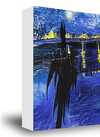
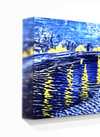
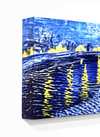

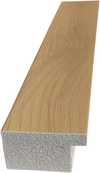
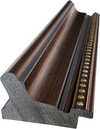
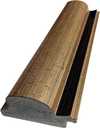
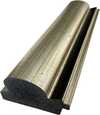
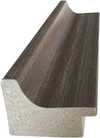
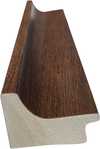
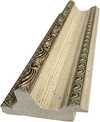
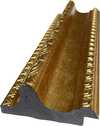
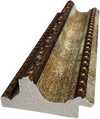
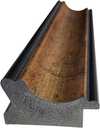
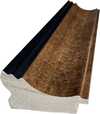
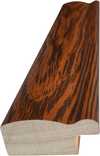
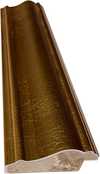
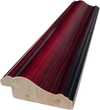
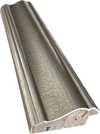
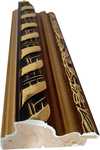
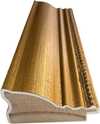
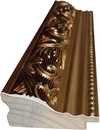
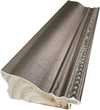
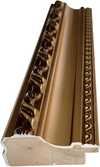
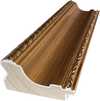
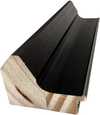
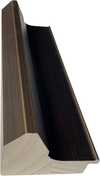
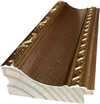
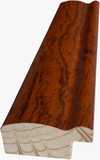
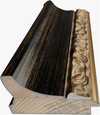
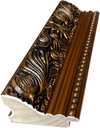
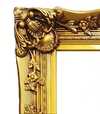
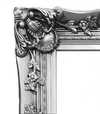
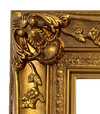
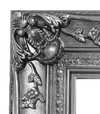
Pick from our preset sizes that match the artwork's original proportions.

Type the width and the height you need, to fit your frame or your wall. A print can only be cut, never made bigger than the picture, so a size with a different shape loses a part of the image. We send you a digital mockup to approve before we print anything. The picture shown on this page does not show the real cut — only the mockup does.
Worldwide Delivery () in 2 weeks instead of standard 4/5 weeks. (19 November)

Free Worldwide Express Shipping

High-Quality Linen Canvas

Full Shipping Insurance

Customs Tax Refund Guarantee

True Color Matching Guarantee

100-Day Return Policy (Defects Only)

100% Money-Back Guarantee

Bulk Discount Offer
 Glass option is only available in size under 110 CM

Study for Mountain Gold
Giclée / Art Print
Reproduction Size
-


Total Price
$ 65
Related Artworks


Artist Biography
The Life and Art of Gustave Baumann
Born in Magdeburg, Germany, Gustave Baumann moved to the United States with his family in 1891. His artistic journey began in earnest when he worked for an engraving house at age seventeen while attending night classes at the Art Institute of Chicago. Seeking deeper mastery, he returned to Germany in 1904 to study at the Kunstgewerbeschule in Munich, where he focused on wood carving and the intricate techniques of wood block prints. Upon his return to the United States, he began producing color woodcuts as early as 1908, establishing himself as a graphic artist. His career eventually led him to the Southwest, where he settled in Santa Fe, remaining there for more than fifty years until his death in 1971.
Baumann was a leading figure in the American color woodcut revival, known for employing the traditional European method of color relief printing. Using oil-based inks and a small press, he developed a distinct personal seal: an opened palm of a hand on a heart. His diverse body of work included:
Artistic Legacy and Recognition
Throughout his career, Baumann's mastery of the woodcut was recognized on prestigious stages. He won a gold medal for color woodcut at the 1915 Panama–Pacific International Exposition for his work Mill Pond, which was the largest color woodcut produced at that time. His prints have been featured in esteemed institutions, including the New York Metropolitan Museum of Art, the Cleveland Museum of Art, the National Gallery of Art in Washington DC, and the New Mexico Museum of Art. His technical skill is documented in Gala Chamberlain's book, In A Modern Rendering: The Color Woodcuts of Gustave Baumann: A Catalog Raisonne, which catalogs over 429 distinct images from his lifetime.

Gustave Baumann
1881 - 1971 , Germany
Quick Facts
- Artistic Movement Or Style: Color woodcut revival
- Full Name: Gustave Baumann
- Nationality: United States
- Notable Artworks:
- In the Hills o' Brown
- Cliff Dwellings
- Sanctuario – Chimayo
- Bright Angel Trail
- Grand Canyon
- Place Of Birth: Magdeburg, Germany
- Date Of Birth: 1881
- Date Of Death: 1971
Related Articles

25 Must-See Masterpieces at the Kröller-Müller Museum: A Van Gogh & Modern Art Guide
Explore 25 iconic Van Gogh and modern masterpieces at Kröller-Müller Museum. Discover the full collection online at AllPaintingsStore.com.

25 Must-See Masterpieces at the Albertina Museum, Vienna
Explore 25 iconic masterpieces from Vienna's Albertina, from Dürer to modern greats. Discover the full collection on AllPaintingsStore.com.


