Preview
 Send
Send Share
Share
 Details
 Guide
Guide

 Download
 Similars
 X-Ray
X-Ray Diaporama
 Stats
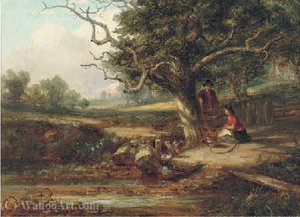
StatsReturning from the fields

 Read More
Giclée / Art Print
Museum-quality giclée or canvas print with fast production and flexible finish options. ( Buy Hand Made Painting Switch to Digital Image)




































Pick from our preset sizes that match the artwork's original proportions.

Type the width and the height you need, to fit your frame or your wall. A print can only be cut, never made bigger than the picture, so a size with a different shape loses a part of the image. We send you a digital mockup to approve before we print anything. The picture shown on this page does not show the real cut — only the mockup does.
Worldwide Delivery () in 2 weeks instead of standard 4/5 weeks. (23 October)

Free Worldwide Express Shipping

High-Quality Linen Canvas

Full Shipping Insurance

Customs Tax Refund Guarantee

True Color Matching Guarantee

100-Day Return Policy (Defects Only)

100% Money-Back Guarantee

Bulk Discount Offer
 Glass option is only available in size under 110 CM

Returning from the fields
Giclée / Art Print
Reproduction Size
-


Total Price
$ 65
Related Artworks


Artist Biography
A Quiet Vision of Suffolk’s Landscape: Exploring the Artistry of Thomas Smythe
Thomas Smythe (1825-1906) stands as a testament to the enduring appeal of Romantic landscape painting, specifically within the context of Victorian Britain. Born in Ipswich, Suffolk, he emerged from a family steeped in artistic tradition – his brother, Edward Smythe, was also a painter – fostering an environment that nurtured his innate talent and propelled him towards a distinguished career dedicated to capturing the beauty of rural England. While overshadowed by more flamboyant contemporaries, Smythe’s meticulous observation and skillful execution have garnered renewed appreciation in recent decades, cementing his place as a significant figure within Suffolk’s artistic heritage.- Early Life & Artistic Training:
- Notable Works & Recurring Themes:
- Technique & Style: Impressionistic Influences:
- Legacy & Recognition:
Early Life & Artistic Training
Little is known definitively about Smythe’s formative years, beyond confirming his birth in Ipswich. His family possessed considerable means and encouraged artistic pursuits within the household, providing him with access to resources that would undoubtedly contribute to his development as an artist. Although formal academic training remains elusive—records indicate he largely self-taught—his brother's influence served as a crucial catalyst for honing his observational skills and mastering the fundamentals of painting. The prevailing artistic sensibilities of the time – Romanticism’s emphasis on emotion, sublime grandeur, and idealized depictions of nature – undoubtedly shaped Smythe’s aesthetic vision from an early age.Notable Works & Recurring Themes
Smythe's oeuvre comprises approximately 300 paintings predominantly focused on landscapes of Suffolk and surrounding areas. However, he wasn’t merely documenting the scenery; he imbued his canvases with a palpable sense of tranquility and charm. Animals – particularly cattle and sheep – frequently appear in his compositions, symbolizing pastoral innocence and embodying the virtues associated with rural life. Perhaps most captivating are Smythe's winter snowscapes—scenes rendered with breathtaking detail and luminosity—which depict Suffolk villages dusted with pristine white snow under overcast skies. These images resonate deeply with viewers today, capturing a timeless quality that transcends stylistic conventions. Particularly noteworthy is “The Old Mill,” Ipswich, which exemplifies his ability to convey both architectural grandeur and atmospheric subtlety.Technique & Style: Impressionistic Influences
Despite operating within the Romantic framework, Smythe’s artistic style demonstrates subtle but discernible influences from Impressionism. Unlike the heavier brushstrokes characteristic of many Romantic painters, Smythe employed a looser technique—particularly evident in his snowscapes—characterized by broken color and shimmering light effects. He skillfully blended pigments to create tonal gradations that captured the ephemeral qualities of winter sunlight, mirroring the pioneering efforts of artists like Claude Monet and Pierre-Auguste Renoir. This innovative approach distinguishes Smythe from his peers and underscores his artistic sensitivity to perceptual experience.Legacy & Recognition
While Smythe’s fame during his lifetime was modest, his paintings have experienced a resurgence in popularity in recent years. Collectors and art historians alike recognize the artist's meticulous attention to detail and his ability to evoke profound emotional responses. Reproductions of his works are increasingly sought after by enthusiasts interested in Suffolk’s artistic heritage, demonstrating an enduring appreciation for Smythe’s quiet vision of rural England. Further research into Smythe’s life and work continues to illuminate his contribution to Victorian landscape painting, ensuring that his legacy endures as a symbol of understated beauty and skillful craftsmanship.
Thomas Smythe
1825 - 1906
Quick Facts
- Artistic Movement Or Style: Romanticism
- Artists Or Movements Influenced By This Artist: ['Hudson River School']
- Artists Who Influenced This Artist: ['John Constable']
- Date Of Birth: 1825
- Date Of Death: 1906
- Full Name: Thomas Smythe
- Nationality: British
- Notable Artworks: ['Winter Snowscape']
- Place Of Birth: Suffolk, England
Related Articles

John Constable's Masterpieces: Explore 25 Iconic Landscapes for Your Home
Journey through John Constable's 25 most celebrated landscapes. Explore Romanticism, Dedham Vale & his masterful use of light in iconic paintings like 'Hay Wain'. Find museum-quality art reproductions and elevate your home decor on AllPaintingsStore.com.

Cultivating Visions: A Historical Journey Through Rural Landscapes in Art
Explore the rich history of rural landscape painting with AllPaintingsStore. Discover Impressionist masterpieces, key artists & movements. Find your perfect serene artwork and bring nature's beauty home.
Evoking Nature's Sublime: A Comprehensive Exploration of 19th-Century Landscape Painting
Explore the captivating world of 19th-century landscape painting! Discover renowned artists like Friedrich & Monet, key movements, and find the perfect artwork to bring nature's serenity into your home. Expert insights at AllPaintingsStore.
Evoking Emotion & Transcendence: Romantic Landscape Painting (18th-19th Century)
Explore the emotional depth of Romantic landscape painting (18th-19th century). Discover key artists like Friedrich & Cole, and the concepts of the sublime. Expert insights for art lovers & collectors.

Romantic Landscapes: 10 Masterpieces for Your Home | AllPaintingsStore
Journey through 10 Romantic landscape masterpieces by Friedrich, Turner & Cole. Explore emotional art, sublime nature scenes & iconic 19th-century paintings. Find museum-quality reproductions for your home at AllPaintingsStore.com – discover the full collection online!