Explore the detailed maps & portraits of Johannes de Ram (1648-1693), a Dutch Golden Age artist known for his meticulous cartography and depictions of nobility.
A Legacy Forged in Art and History: Exploring the Czartoryski Museum
Nestled in the heart of Kraków, Poland, the Czartoryski Museum stands as a powerful testament to the enduring spirit of Polish culture and a beacon for European artistic heritage. Founded in 1796 by Princess Izabela Czartoryska—a visionary patriot and collector—the museum wasn’t merely intended as a repository of beautiful objects; it was conceived as a sanctuary for national identity during a period of immense political turmoil. The partitions of Poland loomed large, threatening to erase the nation's history, and Princess Izabela responded by meticulously gathering artifacts, artworks, and relics that would serve as tangible links to Poland’s glorious past. This initial collection, born from a deep sense of national duty, was later moved to Kraków in 1878, finding a permanent home within a complex of historic buildings—the Palace of the Princes Czartoryski and an adjacent monastery—that themselves whisper tales of centuries gone by. The architecture is a harmonious blend of classical elegance and historical resonance, providing an inspiring backdrop for the treasures held within. The museum’s very existence represents a triumph over adversity, a steadfast commitment to preserving cultural memory in the face of political upheaval.
Princess Izabela Czartoryska’s ambition wasn't simply aesthetic; it was profoundly patriotic. Recognizing the existential threat posed by the division of Poland—a process culminating in 1830—she embarked on a daring mission: to safeguard Poland’s cultural heritage amidst encroaching foreign rule. Her foresight manifested in the establishment of “The Temple of Memory,” housing treasures commemorating victories against formidable adversaries like Napoleon and the Ottoman Empire. Among these were relics from Kraków Cathedral, symbolizing Poland's spiritual resilience, and artifacts reflecting its rich medieval past. The subsequent relocation to Paris during the Franco-Prussian War underscored her determination to protect Polish artistic legacy—a testament to unwavering resolve in times of crisis.
Masterpieces and National Treasures
The Czartoryski Museum’s collection boasts an astonishing diversity, spanning centuries and continents. While it captivates visitors with European masterpieces—works by Rembrandt, Hans Holbein the Younger, and others—its centerpiece remains Leonardo da Vinci’s *Lady with an Ermine*. Painted around 1489-1491, this portrait transcends mere artistic technique; it embodies the Renaissance spirit, capturing Cecilia Gallerani's intellect alongside her beauty. The ermine itself serves as a potent symbol of purity and moderation—a deliberate choice reflecting Izabela Czartoryska’s values. Beyond Da Vinci’s iconic work, visitors immerse themselves in the opulent textures of Renaissance tapestries and decorative arts, marvel at Polish royal artifacts donated by noble families—trophies from historic battles imbued with national significance—and explore ancient antiquities originating from Egypt, Greece, Rome, and Etruria. Each item tells a story—a narrative woven through time and geography to illuminate human creativity and historical evolution.
A Sanctuary Through Tumultuous Times
The museum’s history is inextricably linked to Poland's turbulent journey through the 19th and 20th centuries. During the November Uprising of 1830, Izabela Czartoryska bravely moved many of the most valuable pieces to Paris—a courageous act ensuring their survival amidst Russian occupation. The subsequent relocation to Kraków in 1878 solidified its role as a cultural stronghold—a beacon of Polish identity during periods of war and oppression. Recent renovations, completed in 2019 after nearly a decade of painstaking effort, reaffirmed this commitment to fostering artistic appreciation and educational engagement for generations to come.
The Czartoryski Museum’s exhibitions showcase not only its remarkable collection but also its dedication to scholarly research and public outreach. Recurring events highlight specific artistic movements—from Romanticism to Impressionism—providing visitors with insights into the cultural context surrounding these masterpieces. Furthermore, collaborations with international institutions enrich the museum experience, fostering dialogue between cultures and broadening perspectives on art history. The museum’s curators strive to present artworks in a dynamic way, encouraging contemplation and stimulating intellectual curiosity.
What Sets Czartoryski Museum Apart
Ultimately, what distinguishes Czartoryski Museum is its singular blend of Polish national identity and European artistic grandeur. It's more than just a collection; it’s a living embodiment of Poland’s resilience—a testament to the enduring power of art to transcend borders and connect us to our shared human heritage. For those seeking inspiration, historical understanding, or simply an unforgettable encounter with beauty—the Czartoryski Museum offers an unparalleled journey through time and culture.
By the AllPaintingsStore.com Editorial Team
Art Quiz
There is only one correct answer for each question.
Question 1:
What is the Czartoryski Museum primarily known for?
Question 2:
When was the Czartoryski Museum established?
Question 3:
What historical event significantly impacted the museum's initial collection?
Question 4:
Which architectural style characterizes the Czartoryski Palace?
Question 5:
What is a notable symbol represented in Leonardo da Vinci’s "Lady with an Ermine"?
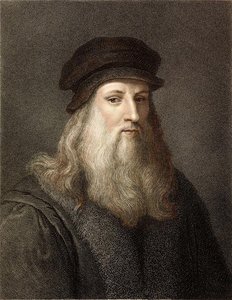
Explore Leonardo da Vinci’s timeless masterpieces with AllPaintingsStore. Discover insights into his art, science, and legacy – trusted expertise for discerning collectors seeking authentic reproductions & investment opportunities.