



A Dialogue Between Eras
The Wallraf-Richartz Museum & Fondation Corboud occupies a space where the weight of history meets the clarity of modern design. Located in the heart of Cologne, Germany, the structure designed by Oswald Mathias Ungers creates a deliberate tension between the ancient and the contemporary. The building rests upon the foundations of a Roman temple dedicated to Mars, allowing the presence of antiquity to exist beneath the clean, geometric lines of the current edifice. This architectural synthesis creates an atmosphere where the starkness of the present complements the layers of the past, providing a quiet space for contemplation.
The collection spans a continuous narrative of European art, moving from the spiritual intensity of the Middle Ages to the experimental spirit of the early twentieth century. It is a place where the evolution of style and emotion is laid bare, offering a window into how humanity has perceived beauty and the self through the centuries.
Gothic Devotion and Baroque Intensity
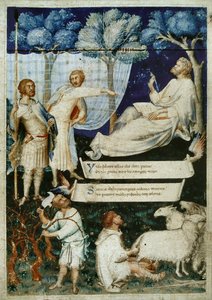
Within the galleries, the Gothic collection offers a sense of ethereal grace. The Madonna of the Rose Bower by Stefan Lochner remains a central presence, where luminous colors and meticulous textures evoke a sense of heavenly light. The use of crushed lapis lazuli in these works serves as a reminder of the precious materials that traveled vast distances to reach Cologne. These works, alongside altarpieces from the Great Saint Martin Church, illustrate a gradual shift toward naturalism and a more profound human connection to the divine.
As the gaze moves toward the Baroque era, the scale of artistic ambition shifts. The works of Rubens, such as Juno and Argus, utilize masterful composition and dramatic lighting to command the viewer's attention. This period is characterized by:
- The theatrical energy of large-scale compositions.
- The psychological depth found in Rembrandt’s self-portraits, where chiaroscuro invites an introspective look into the artist's soul.
- The meticulous realism of Frans Hals, which captures human emotion with a sensitivity that remains moving.
The Light of Impressionism
The Fondation Corboud provides a transition into the radiant light of the Impressionist movement. In these spaces, the atmosphere changes to reflect the broken brushstrokes and atmospheric nuances of the late nineteenth century. The collection celebrates fleeting moments, such as those found in Berthe Morisot’s Child among staked roses, where subjects are bathed in dappled sunlight. By housing works from Monet, Manet, Renoir, and Cézanne, the museum provides a conclusion to its historical arc, focusing on the sensory experience of light and color.


