Buy print
 Send
Send Share
Share
 Details

 Download
 Similars
 X-Ray
X-Ray Diaporama
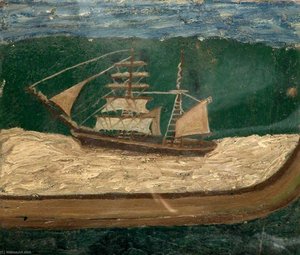
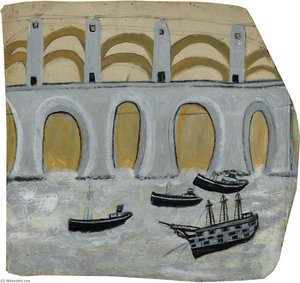
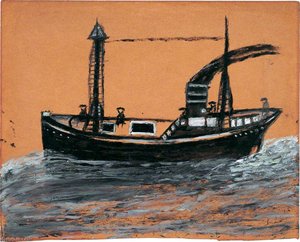
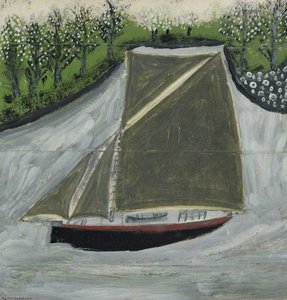
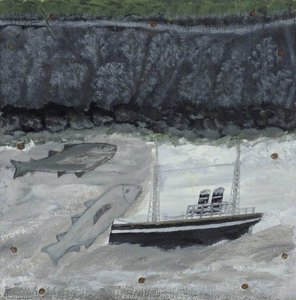
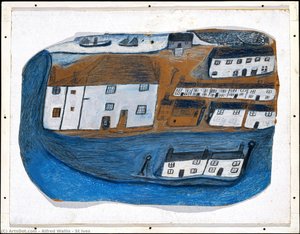
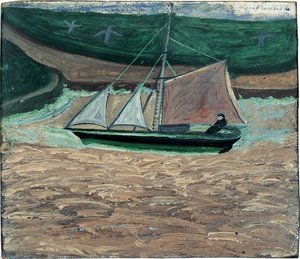
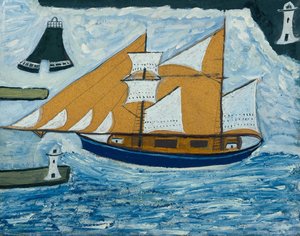
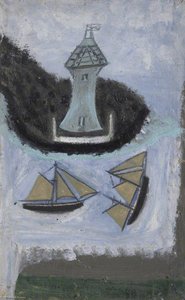
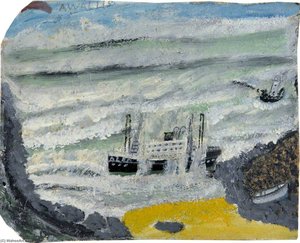
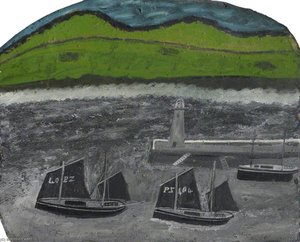
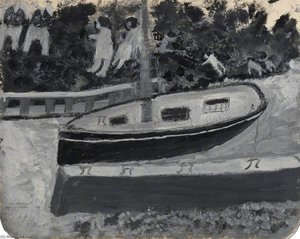
St Ives
 Acrylic On Canvas
- WallArt
- Naive Painting
 1928
1928 38.0 x 25.0 cm
 Tate Britain
 Read More
Hand Made Oil Reproduction
Hand-painted oil on canvas in your size and frame, made to order by our artists.




P118B $10

P118H $10

P118W $10

P438Z $10

P508JH $12

P508YH $12

P805H $10

P805Z $10

P919BZ $10

P919G $10

P919XJ $10

P959ZH $10

P968JZ $12

W106C $8

W218G $10

W218JH $8

W218Y $10

W307PJ $10

W316G $10

W316PJ $8

W316Y $10

W398PJ $8

W4111J $10

W500HY $15

W500JH $15

W692G $12

W849H $8

W940BG $15

W953PJ $8




Pick from our preset sizes that match the artwork's original proportions.

You may enter your own dimensions to fit a specific frame or space. If your selected size does not match the original image's proportions, we will either crop the artwork or extend the painting with additional hand-painted elements. A digital mockup will be sent for your approval before production begins.
Please note that the on-screen preview does not reflect the actual cropping or extension. Only the mockup will accurately show the final composition.
While custom sizes are available, we recommend selecting a dimension from the predefined list to preserve the original proportions.
After order, AllPaintingsStore.com team will email client for instructions and provide a mockup preview
Worldwide Delivery () in 3/4 weeks instead of standard 5 weeks. (16 July). No compromise on quality.

Free Worldwide Express Shipping

High-Quality Linen Canvas

Full Shipping Insurance

Customs Tax Refund Guarantee

True Color Matching Guarantee

60-Day Return Policy (Defects Only)

100% Money-Back Guarantee

Bulk Discount Offer
 Glass option is only available in size under 110 CM

St Ives
Reproduction Medium
Reproduction Size
-


Total Price
-
Artwork Description
Alfred Wallis: The Cornish Mariner’s Vision
Alfred Wallis (1855-1942) stands apart from the artistic landscape of his era—a figure whose quiet simplicity belies a profound engagement with observation and an unwavering dedication to capturing the essence of coastal Cornwall. Born in Devonport, England, Wallis possessed no formal art training; he was a self-taught craftsman who worked as a shipbuilder for much of his life, shaping timbers into vessels that sailed the Atlantic waters. Yet, it is precisely this practical experience—coupled with an almost childlike fascination with the sea and its rhythms—that fueled his extraordinary artistic output. He achieved little commercial success, though his work was championed by progressive artists such as Ben Nicholson and Christopher Wood, who recognized the unique power of his uncompromising vision.Early Life & Craftsmanship
Wallis’s formative years were spent honing skills in shipbuilding, a trade passed down through generations of Cornish families. This hands-on mastery instilled in him a meticulous attention to detail and an understanding of materials that would later translate into his paintings. The rugged beauty of Cornwall—the windswept cliffs, the slate grey sea, and the weathered cottages—became the primary subject of his artistic explorations. He meticulously documented these scenes with unwavering accuracy, prioritizing form over illusion. This dedication to observation is evident in every brushstroke, reflecting a deep connection to the natural world.The Cornish Breakthrough (1920s)
Around 1925, Wallis embarked on a transformative journey into painting, using household paint—primarily Peacock & Buchan ships’ enamel—on scraps of cardboard torn from packing boxes. This deliberate choice wasn't merely economical; it represented a radical departure from academic conventions and embraced the aesthetic principles of naïve art (Primitivism). Influenced by artists like Maurice Sterne and Henri Rousseau, Wallis sought to distill visual experience into its purest form, rejecting perspective and striving for an emotive resonance that transcended representational accuracy. His canvases became meditations on memory and sensation—fragments of Cornish landscapes rendered with bold outlines and luminous colors.A Dialogue With Modernism
The pivotal moment in Wallis’s artistic career arrived when Ben Nicholson and Christopher Wood discovered his work during a visit to St Ives in August 1928. These two influential artists recognized the significance of Wallis's direct approach to image-making—his refusal to compromise on stylistic integrity—and encouraged him to continue painting. Nicholson famously remarked that “to Wallis, his paintings were never ‘paintings’ but actual events,” encapsulating the essence of Wallis’s artistic philosophy. This encounter solidified his position within a burgeoning movement of British modernism and ensured that his distinctive style would endure as a testament to the power of observation and unwavering conviction.Symbolic Resonance & Emotional Impact
Wallis's paintings are imbued with a palpable sense of tranquility and nostalgia—a yearning for simpler times amidst the rapid pace of industrialization. The repetition of geometric shapes—squares, rectangles, and circles—creates a visual rhythm that mirrors the cyclical patterns of the sea and reinforces the artist’s commitment to capturing fundamental truths about perception. His muted palette—dominated by blues and browns—evokes the atmospheric conditions of Cornish coastal landscapes, conveying both beauty and melancholy. Ultimately, Wallis's art invites contemplation—a quiet appreciation for the enduring power of observation and a recognition that true artistic expression resides in embracing authenticity above all else.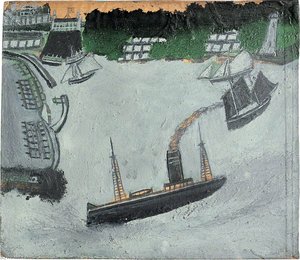


Artist Biography
Alfred Wallis: The Cornish Mariner’s Vision
Alfred Wallis (1855-1942) stands apart from the artistic landscape of his era—a figure whose quiet simplicity belies a profound engagement with observation and an unwavering dedication to capturing the essence of coastal Cornwall. Born in Devonport, England, Wallis possessed no formal art training; he was a self-taught craftsman who worked as a shipbuilder for much of his life, shaping timbers into vessels that sailed the Atlantic waters. Yet, it is precisely this practical experience—coupled with an almost childlike fascination with the sea and its rhythms—that fueled his extraordinary artistic output.- Early Life & Craftsmanship: Wallis’s formative years were spent honing skills in shipbuilding, a trade passed down through generations of Cornish families. This hands-on mastery instilled in him a meticulous attention to detail and an understanding of materials that would later translate into his paintings.
- The Cornish Breakthrough (1920s): Wallis’s artistic career truly blossomed in the 1920s when he relocated to St Ives, Cornwall. Drawn by the vibrant artistic community established there—including artists like Ben Burrell and George Nash—he began producing a prolific series of paintings depicting boats, harbors, and landscapes bathed in Cornish light.
- A Distinctive Style: Wallis’s aesthetic is undeniably unique. Characterized by flattened perspectives, bold outlines, and muted color palettes dominated by blues and greens, his work embodies the principles of naive art—a style rooted in direct sensory experience rather than intellectual contemplation.
- Key Themes & Influences: Recurring motifs in Wallis’s oeuvre include boats – often solitary vessels navigating turbulent seas – reflecting his lifelong connection to maritime life. These images are rendered with unwavering precision, capturing not just their physical form but also conveying a feeling of movement and vulnerability.
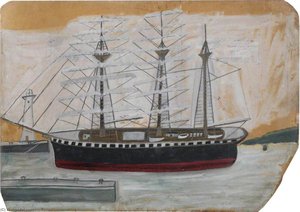
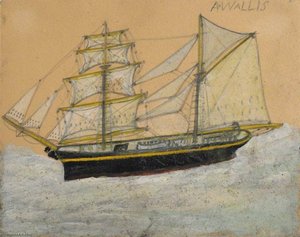
- Notable Works: Among his most celebrated paintings are “Three Masted Ship Near Lighthouse,” “Trawler,” and “Boat,” each demonstrating Wallis’s masterful ability to distill complex visual information into deceptively simple forms. These works exemplify the artist's commitment to capturing the beauty of the Cornish coastline.
- Legacy & Significance: Wallis’s work continues to resonate with viewers today because it speaks to a fundamental human desire for connection with nature and for experiencing beauty in its purest form. His unwavering devotion to craftmanship and his refusal to compromise on stylistic integrity serve as an inspiration to artists seeking authenticity and emotional resonance.

Alfred Wallis
1855 - 1942 , United Kingdom
Quick Facts
- Artistic Movement Or Style: Naive painting
- Artists Or Movements Influenced By This Artist: ['Cornish Art']
- Artists Who Influenced This Artist: ['']
- Date Of Birth: August 8, 1855
- Date Of Death: August 29, 1942
- Full Name: Alfred Wallis
- Nationality: British
- Notable Artworks:
- Boat
- Trawler
- Three Masted Ship near Lighthouse
- Place Of Birth: Devonport, United Kingdom
Related Articles

Alfred Wallis: Rediscovering the Naïve Visionary of Cornish Life
Discover the captivating world of Alfred Wallis, the self-taught Cornish painter championed by modernists. Explore his unique naive style, maritime scenes & lasting legacy with AllPaintingsStore.
Alfred Worthington: Bridging Victorian Realism & Early Modern Landscape Painting
Explore the captivating landscapes of Alfred Worthington (1834-1927), a pivotal figure bridging Victorian realism & early Impressionism. Discover his Welsh hunting scenes, artistic evolution, and collecting guide.

Henri Moret: Capturing the Essence of Brittany's Light – A Study in Post-Impressionist Landscape Painting
Explore the captivating landscapes of Henri Moret, a master of Post-Impressionism. Discover his unique style, key works, and legacy in our expert guide. Learn about collecting Moret's art & its investment potential.

Concrete Visions: Exploring the Urban Landscape in Painting – From Realism to Contemporary Art
Explore the evolution of cityscape painting from Realism to contemporary art with AllPaintingsStore. Discover key artists & invest in timeless urban visions. Expert guidance, museum-quality reproductions.
Impressionistic Landscapes: 10 Masterpieces That Changed Art & Decor
Journey into the heart of Impressionism! Explore 10 masterpieces by Monet, Renoir & Degas that revolutionized landscape art. Discover their stories, techniques & find museum-quality reproductions to elevate your home decor on AllPaintingsStore.com.