Preview
 Send
Send Share
Share
 Details
 Guide
Guide

 Download
 Similars
 X-Ray
X-Ray Diaporama
 Q&A
Q&A Stats
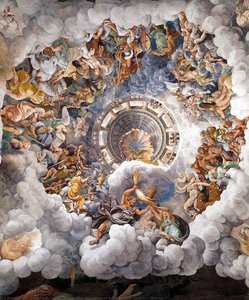
StatsThe Lovers

- 163.0 x 337.0 cm


 Read More
Giclée / Art Print
Museum-quality giclée or canvas print with fast production and flexible finish options. ( Buy Hand Made Painting Switch to Digital Image)




P118B $10

P118H $10

P118W $10

P438Z $10

P508JH $12

P508YH $12

P805H $10

P805Z $10

P919BZ $10

P919G $10

P919XJ $10

P959ZH $10

P968JZ $12

W106C $8

W218G $10

W218JH $8

W218Y $10

W307PJ $10

W316G $10

W316PJ $8

W316Y $10

W398PJ $8

W4111J $10

W500HY $15

W500JH $15

W692G $12

W849H $8

W940BG $15

W953PJ $8




Pick from our preset sizes that match the artwork's original proportions.

Type the width and the height you need, to fit your frame or your wall. A print can only be cut, never made bigger than the picture, so a size with a different shape loses a part of the image. We send you a digital mockup to approve before we print anything. The picture shown on this page does not show the real cut — only the mockup does.
Worldwide Delivery () in 2 weeks instead of standard 4/5 weeks. (2 November)

Free Worldwide Express Shipping

High-Quality Linen Canvas

Full Shipping Insurance

Customs Tax Refund Guarantee

True Color Matching Guarantee

100-Day Return Policy (Defects Only)

100% Money-Back Guarantee

Bulk Discount Offer
 Glass option is only available in size under 110 CM

The Lovers
Giclée / Art Print
Reproduction Size
-


Total Price
$ 65
The Lovers – A Renaissance Embrace
Giulio Romano’s “The Lovers,” painted around 1525, isn't merely a depiction of intimacy; it’s a meticulously crafted tableau brimming with symbolism and echoing the complex currents of the High Renaissance. Born Giulio Pippi in Rome around 1499, Romano swiftly ascended through the ranks of Raphael’s studio, absorbing the master’s classical ideals while simultaneously forging his own distinctive Mannerist style – a style characterized by heightened emotion, distorted forms, and an exploration of psychological depth. This particular painting, now housed within the hallowed halls of the Hermitage Museum in St. Petersburg, offers a rare glimpse into Romano's artistic vision and his profound understanding of human desire and its attendant anxieties.
The scene unfolds within a lavishly appointed chamber, bathed in an opulent yet subtly shadowed light. At the heart of the composition lie two figures entwined in a passionate embrace – a couple lost in a moment of intense connection. However, Romano deliberately subverts traditional representations of love, imbuing the image with layers of ambiguity and intrigue. The figures themselves are rendered with a cool detachment, almost sculptural in their stillness, reflecting the influence of ancient Greek sculpture. Their skin possesses an unnerving pallor, hinting at a sense of timelessness and perhaps even a touch of melancholy – a departure from the vibrant flesh tones favored by earlier Renaissance masters.
A Dance of Symbolism
The painting’s power resides not just in its sensual depiction but also in the intricate web of symbols woven throughout. Observe, for instance, the carefully positioned slippers resting on the floor – a deliberate disruption of the scene's harmony. They represent a marital bond, yet their placement suggests an absence, a separation that underscores the precariousness of love and the potential for betrayal. The cat curled at the feet of the lady in waiting is a potent symbol of illicit desire, while the loyal dog beside her speaks to the constraints of societal expectations and the enduring nature of fidelity. The keys held by the woman signify children – a responsibility that further complicates the lovers’ situation.
Beyond these immediate details, Romano draws heavily from classical mythology. The arrangement of objects—the bed, the drapery, the architectural elements—echoes the forms found in Roman sarcophagi and tomb decorations. This deliberate allusion to antiquity elevates the scene beyond a simple portrayal of love; it transforms it into an allegory of eternal themes – desire, loss, and the passage of time. The archangel Raphael, positioned above the couple, serves as a silent witness, embodying divine judgment and perhaps hinting at the consequences of their actions.
Technique and Context
Executed in oil on panel, “The Lovers” showcases Romano’s mastery of illusionistic painting – a hallmark of Mannerism. He employs techniques such as *trompe-l'oeil* to create the impression of depth and realism, blurring the boundaries between painted surface and perceived reality. The meticulous detail evident in the rendering of fabrics, textures, and architectural elements speaks to Romano’s exceptional technical skill. It is believed that this painting was commissioned for Federico II Gonzaga, Duke of Mantua, a discerning patron who appreciated both beauty and intellectual complexity.
Interestingly, “The Lovers” emerged during a period of immense upheaval in Italy – the Sack of Rome in 1527 marked a turning point in the Renaissance, disrupting artistic patronage and scattering artists across Europe. Romano’s relocation to Mantua provided him with a new creative environment and allowed him to develop his unique style largely free from the constraints of papal influence. The painting stands as a testament to his resilience and adaptability, showcasing a profound shift away from the idealized beauty of the High Renaissance towards a more emotionally charged and psychologically nuanced aesthetic.
A Timeless Masterpiece
“The Lovers” is more than just a beautiful painting; it’s a complex meditation on love, desire, and the human condition. Its enduring appeal lies in its ability to evoke a wide range of emotions – from passionate longing to quiet melancholy. Reproductions of this iconic work offer an opportunity to bring this captivating scene into any space, inviting contemplation and sparking conversation about the timeless themes it explores. It remains a powerful reminder of Romano’s genius and his lasting contribution to the history of art.
Questions & Answers
Which palette and lead color define "The Lovers"?
"The Lovers" is defined by an earthy palette led by walnut (#624e27).
Is "The Lovers" by Giulio Romano a light or a dark artwork?
The recorded values for "The Lovers" by Giulio Romano are: deep_shadow brightness, dark luminance.
Can I examine "The Lovers" in more detail?
The X-Ray page of "The Lovers" by Giulio Romano is an interactive viewer that lets you slide through eleven optical layers of the artwork's image, including an X-ray style view.
Related Artworks


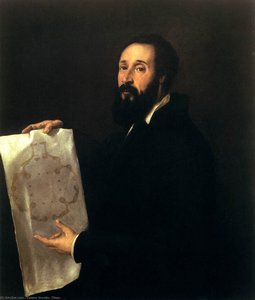


Artist Biography
A Roman Beginning and Apprenticeship Under a Master
Giulio Romano, born Giulio Pippi around 1499 in Rome, emerged during a period of immense artistic ferment. Details surrounding his early life remain somewhat elusive, yet it is known he swiftly entered the orbit of Raphael, arguably the most celebrated painter of the High Renaissance. This apprenticeship proved pivotal, shaping not only his technical skills but also laying the foundation for his future stylistic explorations. He wasn’t merely a studio assistant; Giulio rapidly became an indispensable collaborator, contributing to significant projects like the decoration of the Vatican Stanze – those magnificent rooms commissioned by Popes Julius II and Leo X. His hand can be identified in the monumental fresco *The Fire in the Borgo*, where he assisted Raphael in depicting a dramatic scene of miraculous intervention. Following Raphael’s untimely death in 1520, Giulio inherited responsibility for completing numerous unfinished commissions, including the ambitious decoration of Villa Madama for Cardinal Giuliano de' Medici. This early exposure to large-scale projects and the demands of aristocratic patronage instilled within him a confidence and ambition that would define his later career.The Birth of Mannerism: A Departure from Classical Harmony
While deeply rooted in the Renaissance tradition, Giulio Romano’s artistic trajectory soon diverged from the prevailing emphasis on classical balance and harmony. He became a key figure in the development of Mannerism – a style characterized by its artificiality, elegance, and often unsettling distortions of form. Influenced profoundly by Michelangelo's powerful figures and dynamic compositions, as well as a broader climate of artistic experimentation, Giulio began to embrace asymmetry, tension, and emotional intensity in his work. This wasn’t a rejection of Renaissance ideals so much as a deliberate exploration of their limits, pushing beyond the constraints of naturalism to create works that were more expressive and intellectually stimulating. He increasingly modified Raphael's plans, injecting a new sensibility into Roman art—a statement of Mannerism on a grand scale. This shift is readily apparent in his drawings, which exhibit a remarkable freedom of line and a penchant for dramatic foreshortening.Mantua’s Master: Palazzo Te and Architectural Innovation
In 1524, Giulio accepted the invitation of Federico Gonzaga, Duke of Mantua, to become court painter and architect. This marked a turning point in his career, providing him with unprecedented creative freedom and resources. He essentially became responsible for all artistic activity within the duchy, overseeing not only paintings and frescoes but also architectural projects, garden designs, and even theatrical productions. His most celebrated achievement during this period is undoubtedly Palazzo Te, an extraordinary suburban villa that stands as a testament to his innovative genius. The palace’s interiors are adorned with illusionistic frescoes of breathtaking complexity and psychological depth. The *Sala dei Giganti* (Hall of the Giants), for example, depicts a chaotic battle between gods and giants, engulfing the viewer in a swirling vortex of figures and architectural fragments. This masterful manipulation of space and perspective creates an immersive experience that is both awe-inspiring and unsettling. Beyond Palazzo Te, Giulio also undertook significant renovations to Mantua’s ducal palace and cathedral, leaving an indelible mark on the city's urban landscape.Legacy and Lasting Influence
Giulio Romano died in Mantua in 1546, leaving behind a legacy that extended far beyond Italy’s borders. His drawings were highly prized by collectors, and engravings based on his work – particularly those by Marcantonio Raimondi – played a crucial role in disseminating Italian artistic styles throughout Europe. He was so famous after his death that he is the only “modern” artist mentioned by William Shakespeare in a play—a testament to his widespread renown. His influence can be seen in the works of numerous subsequent artists, who adopted his dynamic compositions, elongated figures, and expressive use of color. While Mannerism eventually gave way to other stylistic movements, Giulio Romano’s contributions remain essential to understanding the evolution of Western art. He represents a pivotal moment—a transition from the harmonious ideals of the High Renaissance to the more complex and emotionally charged aesthetic of the late 16th century. His work continues to captivate and challenge viewers today, reminding us of the power of art to both reflect and shape our understanding of the world.
Giulio Romano
1499 - 1546 , Italy
Quick Facts
- Full Name: Giulio Romano
- Nationality: Italian
- Date Of Birth: 1499
- Date Of Death: 1546
- Place Of Birth: Rome, Italy
- Notable Artworks:
- The Fire in the Borgo
- Palazzo Te
- Villa Madama
- Artistic Movement Or Style: Mannerism
- Artists Who Influenced This Artist:
- Raphael
- Michelangelo
- Artists Or Movements Influenced By This Artist: ['Mannerist artists']
Related Articles

Italian Baroque Art: A Procurement Guide to Dramatic Masterpieces for High-End Hotel Interiors
Elevate hospitality interiors with Italian Baroque masterpieces. A professional procurement guide for hotel designers sourcing high-quality Caravaggio-style oil reproductions, multi-panel sets, and custom large-scale art with reliable global logistics and bulk order efficiency.

Italian Renaissance Art: A Procurement Guide to Timeless Masterpieces for High-End Hotel Interiors
A professional procurement guide for hotel designers seeking Italian Renaissance masterpieces. Discover how to utilize chiaroscuro, custom oil reproductions, and large-scale murals to elevate hospitality interiors with timeless, high-impact classical art.