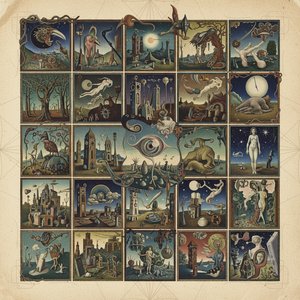
1913. , 80.0 x 67.0 cm.

§ 1Catalogue data

- 80.0 x 67.0 cm


This Artwork Is Under Copyright Protection
The artwork displayed on this page is protected by copyright law, which means we cannot legally create or sell an identical reproduction. This protection is enforced under international agreements such as the Berne Convention and by national laws, including those outlined by the U.S. Copyright Law - Title 17.
As a respectful and legal alternative, we offer custom, hand-painted artworks inspired by the original. Our skilled and professional artists carefully study the original's style, mood, and artistic essence to create a new, unique piece that evokes the same feeling - while remaining an original creation in its own right.
This method fully complies with copyright regulations because it does not involve copying or duplicating the protected artwork. Instead, it is a creative reinterpretation - a new painting that is influenced by the original but not identical to it.
 Read more
§ 2Abstract
Collectible Description
Max Ernst’s haunting ‘Crucifixion,’ painted in 1913, embodies surrealist drama with its stark depiction of Jesus on the cross against a monumental castle backdrop—a powerful testament to Ernst's intellectual exploration and artistic vision. Explore this iconic masterpiece and bring it into your home.
Artist Biography
Explore the surreal world of Max Ernst (1891-1976), a Dada & Surrealism pioneer! Discover his innovative frottage, collages & dreamlike paintings featuring birds, landscapes & psychological themes. #MaxErnst #Surrealism #Dada
§ 3Commentary
A Dramatic Encounter Between Faith and Fortress Walls
“Crucifixion,” painted by Max Ernst in 1913, isn’t merely a depiction of Jesus Christ on the cross; it's an arresting meditation on suffering, spirituality, and the confrontation between humanity and divine judgment. This monumental canvas—measuring 80 x 67 cm—immediately draws the eye with its stark composition and unsettling grandeur.
- Subject Matter: The central figure is Jesus Christ crucified, positioned prominently against a formidable castle-like structure. This architectural element isn’t simply decorative; it symbolizes authority, resilience, and perhaps even imprisonment – mirroring the spiritual struggle at the heart of the artwork.
- Style: Ernst's style aligns firmly within the burgeoning Surrealist movement. Rejecting rationalism and embracing dreamlike imagery, he employs techniques that prioritize subconscious exploration over literal representation. The painting eschews traditional perspective, favoring flattened planes and distorted forms to heighten emotional impact.
- Technique: Ernst utilized oil paint on canvas, applying a textured surface that contributes to the artwork’s palpable atmosphere. His brushstrokes are deliberate and expressive, conveying both meticulous observation and imaginative distortion. The artist skillfully blends colors—primarily muted browns and ochres—to create a palette that evokes feelings of solemnity and melancholy.
Historical Context: Seeds of Surrealism Bloom Amidst War Fears
Painted in the turbulent years leading up to World War I, “Crucifixion” reflects the anxieties and disillusionments prevalent within European intellectual circles at the time. Ernst’s fascination with psychoanalysis—particularly Sigmund Freud’s theories on dreams and unconscious desires—fueled his artistic impulse. Surrealism sought to liberate art from the constraints of reason, tapping into primal instincts and exploring the realm of irrationality as a pathway to truth.
- Symbolism: The castle backdrop serves as a potent symbol of oppression and confinement, representing not only earthly power but also spiritual limitations. Jesus’s outstretched arms symbolize humility and acceptance of suffering—a cornerstone of Christian theology. The angel figure, positioned high above the scene, embodies divine compassion and offers solace amidst despair.
- Emotional Impact: “Cruifixion” succeeds in conveying a profound sense of pathos. Ernst's masterful use of color and texture creates an immersive experience for the viewer, prompting contemplation on themes of mortality, faith, and redemption. The painting’s unsettling stillness amplifies its emotional resonance, inviting viewers to confront uncomfortable truths about human existence.
A Reproduction That Captures Essence
AllPaintingsStore.com offers exceptional reproductions of “Cruifixion,” meticulously crafted to faithfully reproduce Ernst's original vision. Utilizing archival-quality pigments and printing processes, our reproductions ensure vibrant color accuracy and enduring beauty—allowing art lovers everywhere to experience the power of this iconic masterpiece.
Questions & Answers
What is the dominant color of "Crucifixion" by Max Ernst?
The color that stands out most in "Crucifixion" is phthalo green (#2b2d3a). The dominant color is useful when matching an artwork to an interior.
From which country does the Surrealist Expression work "Crucifixion" come?
The Surrealist Expression work "Crucifixion" was made by an artist born in Germany.
How is the palette of "Crucifixion" by Max Ernst described?
The colors of "Crucifixion" form an earthy palette. This classification describes the dominant color families.


 Switch to Print


 For artworks or reproductions larger than 105 cm (approximately 41 inches) on any side, the frame will be shipped as a kit, disassembled. This method ensures safe delivery and prevents damage during transport.