- Home

- Oil Painting Reproduction
- walter william ouless
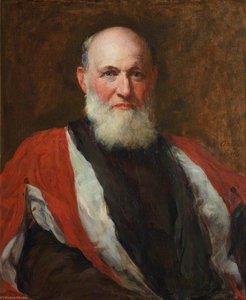
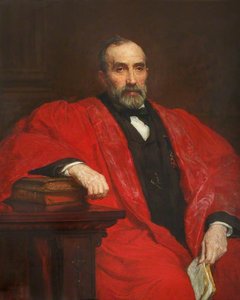
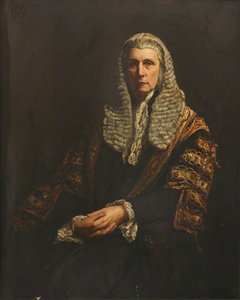
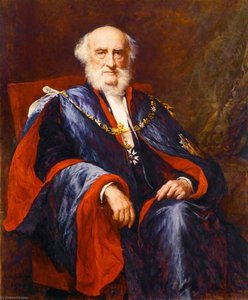
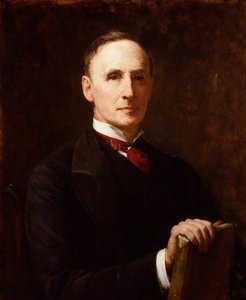
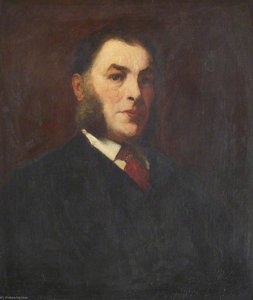
- Roundell Palmer (1812–1895), Earl of Selborne, Fellow (1834–1848), Lord Chancellor (1872)

 Buy print
 Send
Send Share
Share
 Details

 Download
 Similars
 X-Ray
X-Ray Diaporama
Roundell Palmer (1812–1895), Earl of Selborne, Fellow (1834–1848), Lord Chancellor (1872)
 Acrylic On Canvas
- WallArt
- Contemporary Realism
 126.0 x 99.0 cm
 Magdalen College
 Read More
Hand Made Oil Reproduction
Hand-painted oil on canvas in your size and frame, made to order by our artists.




P118B $10

P118H $10

P118W $10

P438Z $10

P508JH $12

P508YH $12

P805H $10

P805Z $10

P919BZ $10

P919G $10

P919XJ $10

P959ZH $10

P968JZ $12

W106C $8

W218G $10

W218JH $8

W218Y $10

W307PJ $10

W316G $10

W316PJ $8

W316Y $10

W398PJ $8

W4111J $10

W500HY $15

W500JH $15

W692G $12

W849H $8

W940BG $15

W953PJ $8




Pick from our preset sizes that match the artwork's original proportions.

You may enter your own dimensions to fit a specific frame or space. If your selected size does not match the original image's proportions, we will either crop the artwork or extend the painting with additional hand-painted elements. A digital mockup will be sent for your approval before production begins.
Please note that the on-screen preview does not reflect the actual cropping or extension. Only the mockup will accurately show the final composition.
While custom sizes are available, we recommend selecting a dimension from the predefined list to preserve the original proportions.
After order, AllPaintingsStore.com team will email client for instructions and provide a mockup preview
Worldwide Delivery () in 3/4 weeks instead of standard 5 weeks. (16 July). No compromise on quality.

Free Worldwide Express Shipping

High-Quality Linen Canvas

Full Shipping Insurance

Customs Tax Refund Guarantee

True Color Matching Guarantee

60-Day Return Policy (Defects Only)

100% Money-Back Guarantee

Bulk Discount Offer
 Glass option is only available in size under 110 CM

Roundell Palmer (1812–1895), Earl of Selborne, Fellow (1834–1848), Lord Chancellor (1872)
Reproduction Medium
Reproduction Size
-


Total Price
-
Artwork Description
A Portrait of Power and Reflection: Walter William Ouless’s Roundell Palmer
Walter William Ouless's depiction of Roundell Palmer, Earl of Selborne, Fellow (1834–1848), Lord Chancellor (1872) offers a fascinating glimpse into Victorian England – a society obsessed with status and intellectual pursuits. Painted around 1895, this portrait transcends mere likeness; it’s an exploration of character and ambition rendered in meticulous detail.
- Subject Matter: The painting portrays Palmer as a dignified gentleman, dressed impeccably in formal attire indicative of his prominent position within the British aristocracy. His gaze directs outwards, suggesting contemplation or perhaps a distant memory – inviting viewers to consider his inner life alongside his outward appearance.
- Style and Technique: Ouless employs a realistic style characteristic of Academic painting prevalent during the period. The artist meticulously captures textures—the sheen of gold buttons on Palmer’s coat, the folds of his suit fabric—demonstrating considerable skill in rendering surface qualities. Light plays across Palmer's face, subtly illuminating his features and conveying an air of seriousness.
- Historical Context: Palmer’s life spanned a pivotal era marked by significant social and political transformations. As Lord Chancellor, he oversaw crucial legal reforms aimed at bolstering parliamentary democracy. His academic pursuits—particularly his Fellowship at Magdalen College Oxford—highlighted the importance placed on intellectual achievement within Victorian society.
- Symbolism: The abundance of ties surrounding Palmer’s neck serves as a visual metaphor for responsibility and connection – reflecting his role as a leader and diplomat. Furthermore, the formal pose embodies respectability and adherence to societal conventions, encapsulating the values of the Victorian era.
Beyond its technical prowess, Ouless's portrait possesses an emotional resonance that speaks to themes of contemplation and legacy. It’s a compelling image for interior designers seeking to evoke sophistication and intellectual gravitas—a timeless piece capturing not just a man’s appearance but also the spirit of his time.
- Interior Design Inspiration: Consider incorporating elements reminiscent of Palmer's attire – rich fabrics, muted tones – into your own spaces. This subtle nod to Victorian grandeur can create an atmosphere of refined elegance.
- Collector’s Perspective: Owning a high-quality reproduction allows you to appreciate Ouless’s masterful technique and delve deeper into the historical context surrounding Palmer's life and achievements. It’s an investment in art history and a celebration of Victorian intellectual culture.
This portrait stands as a testament to Walter William Ouless’s artistic vision—a beautifully executed depiction that invites viewers to contemplate both the outward façade and inner character of one of Britain's most influential figures.
Related Artworks


Artist Biography
Paul Gauguin: A Savage Martyr of Art
Paul Gauguin, born in Paris in 1848 and tragically dying in the Marquesas Islands in 1903, remains one of the most enigmatic and influential figures in modern art. More than just a painter, he cultivated a complex persona – a “wolfish wild man” juxtaposed with a sensitive martyr dedicated to capturing the essence of primal experience. His life was a relentless pursuit of escape, a rejection of bourgeois society, and an unwavering commitment to forging a new path for artistic expression. Gauguin’s journey took him from the bustling streets of Paris to the remote islands of Tahiti and eventually to the volcanic shores of Hiva Oa, each location profoundly shaping his art and his identity.Early Life and Artistic Beginnings
Gauguin's early years were marked by a restless spirit and a nomadic upbringing. Descended from Peruvian nobility through his mother’s side, he spent his childhood in Lima, Peru, before returning to France with his family at the age of seven. This peripatetic existence instilled within him a deep-seated need for travel and adventure – a yearning that would define much of his life. He initially pursued a career as a stockbroker, but found little satisfaction in the rigid structure of commerce. His artistic inclinations began to blossom through the influence of Camille Pissarro, whom he met via his patron, Gustave Arosa, a wealthy Spanish financier with an impressive collection of modern French paintings. Gauguin’s early work reflected the Impressionist style, particularly the loose brushwork and vibrant colors championed by Pissarro. However, he quickly began to experiment, absorbing elements from Paul Cézanne's constructive approach to form – notably his use of parallel lines and simplified shapes – while simultaneously injecting a distinctly personal vision into his paintings. He purchased several Cézanne works, studying their techniques with meticulous attention, yet always striving to move beyond mere imitation, seeking instead to express the inner world of emotion and symbolism.Tahitian Exile and the Birth of a New Style
In 1891, Gauguin embarked on what would become his most significant artistic endeavor: an extended sojourn in Tahiti. He sought refuge from the perceived corruption and artificiality of European society, envisioning a return to a simpler, more authentic way of life. This decision was not simply an escape; it was a deliberate attempt to establish himself as a leader of the Parisian avant-garde – a bold assertion that he could create art divorced from the constraints of academic tradition. Tahiti provided him with a wealth of inspiration: the lush landscapes, the vibrant colors of the local culture, and the exotic rituals of the native population all found their way onto his canvases. His paintings during this period—such as *First Communion* (1880) and *Vision After the Sermon* (1887)—marked a radical departure from Impressionism, characterized by bold outlines, flattened perspectives, and intensely symbolic imagery. The influence of Japanese woodblock prints – Ukiyo-e – is particularly evident in his use of simplified forms, decorative patterns, and vibrant color combinations.Symbolism, Synthesis, and the Quest for Primitivism
Gauguin’s artistic style evolved dramatically throughout his career, reflecting his ongoing exploration of spiritual and emotional themes. He embraced Symbolism, a movement that sought to express ideas through evocative imagery rather than literal representation. He also developed a unique approach known as “Synthetism,” which combined elements of Impressionism, Post-Impressionism, and Primitivism. Gauguin was deeply fascinated by the art of ancient civilizations – particularly Polynesian cultures – believing they possessed a direct connection to the spiritual realm. He sought to capture this primal essence in his work, rejecting the conventions of Western art and embracing a more intuitive and expressive approach. His paintings often depict scenes of everyday life—fishing, dancing, and religious ceremonies—but imbued with a sense of mystery and symbolism. The iconic *Vision of the Sermon* (1887), created during his time in Brittany alongside Émile Bernard, exemplifies this synthesis, utilizing bold colors and simplified forms to convey a profound spiritual experience.Legacy and Lasting Influence
Paul Gauguin’s life and work were marked by both extraordinary creativity and personal tragedy. His struggles with poverty, illness (including syphilis), and the loss of his daughter profoundly impacted his final years. Despite these hardships, he continued to paint relentlessly until his death in 1903. His art initially met with mixed reactions, but over time, its radical innovations and expressive power gained widespread recognition. Gauguin’s influence on subsequent generations of artists is undeniable. He paved the way for Fauvism, Expressionism, and other avant-garde movements by challenging traditional notions of representation and prioritizing emotional expression above all else. His bold use of color, simplified forms, and symbolic imagery continues to inspire artists today, solidifying his place as a pivotal figure in the history of modern art – a “savage martyr” who dared to forge his own path and redefine the boundaries of artistic possibility.
walter william ouless
1848 - 1933
Quick Facts
- Artistic Movement Or Style:
- Post-Impressionism
- Symbolism
- Synthetism
- Artists Or Movements Influenced By This Artist:
- Nabis
- Fauvism
- Artists Who Influenced This Artist:
- Cézanne
- van Gogh
- Date Of Birth: June 7, 1848
- Date Of Death: May 8, 1903
- Full Name: Paul Gauguin
- Nationality: French
- Notable Artworks:
- Vision of the Sermon
- Where Do We Come From?
- Iahoteka
- Place Of Birth: Paris, France
Related Articles

Beyond Pixels: Hand-Painted Portraits – Enduring Heirlooms of Memory & Legacy
Create timeless family heirlooms with AllPaintingsStore's hand-painted portraits! Expert artists transform your photos into museum-quality oil paintings, preserving memories & celebrating legacy. Custom commissions & reproductions available.

Beyond Representation: Emotional Resonance & Formal Innovation in Abstract Painting
Explore the profound emotional depth & formal innovations of abstract painting. Discover key artists like Rothko & Kandinsky, understand art collecting insights, and elevate your space with timeless masterpieces. Expert analysis for discerning collectors.

F.A.Q.: Family Portrait Paintings - A Guide for Elite Collectors
Transform cherished family memories into timeless masterpieces with . Expert artists create bespoke oil portraits & reproductions for elite collectors. Discover unparalleled quality, personalized service & lasting value.

The Digital Portrait Renaissance: Transforming Personal Photography into Timeless Oil Paintings Through Artistic Reproduction
Transform your cherished photos into timeless oil paintings with AllPaintingsStore's expert artists. Museum-quality reproductions & custom portraits, crafted to last a lifetime. Discover the art of personal legacy.

Bridging Distance with Art: The Rise of Virtual Consultation and Global Accessibility in Fine Art Acquisition
Discover the world of fine art with expert guidance. Explore virtual consultations, curated collections & secure online acquisition. Invest in timeless pieces with confidence.