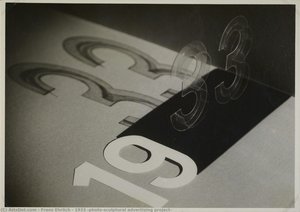
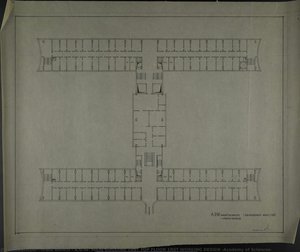
1955. Graphite Pencil, 50.0 x 58.0 cm. Bauhaus Dessau Foundation.

§ 1Catalogue data
 Graphite Pencil
- Bauhaus
 1955
1955- Modern
 50.0 x 58.0 cm
 Bauhaus Dessau Foundation
This Artwork Is Under Copyright Protection
The artwork displayed on this page is protected by copyright law, which means we cannot legally create or sell an identical reproduction. This protection is enforced under international agreements such as the Berne Convention and by national laws, including those outlined by the U.S. Copyright Law - Title 17.
As a respectful and legal alternative, we offer custom, hand-painted artworks inspired by the original. Our skilled and professional artists carefully study the original's style, mood, and artistic essence to create a new, unique piece that evokes the same feeling - while remaining an original creation in its own right.
This method fully complies with copyright regulations because it does not involve copying or duplicating the protected artwork. Instead, it is a creative reinterpretation - a new painting that is influenced by the original but not identical to it.
 Read more
§ 2Abstract
Collectible Description
A precise graphite pencil drawing of a wooden table and upholstered bench by Bauhaus-trained artist Franz Ehrlich from 1955 captures mid-century design elegance, inviting you to explore this exquisite piece of history.
Artist Biography
Explore the art of Franz Ehrlich: German architect, calligrapher & graphic designer. Discover Bauhaus influence, communist affiliations & innovative designs.
§ 3Commentary
A Study in Form and Functionality
In the quiet precision of Franz Ehrlich’s 1955 drawing, Table and Upholstered Bench, we encounter a profound dialogue between structural integrity and domestic comfort. This graphite pencil work on paper serves as more than a mere technical blueprint; it is an intimate window into the mid-century design ethos. The composition captures a wooden table paired with a meticulously rendered upholstered bench, presenting a scene where the rigidity of metal frames meets the soft, inviting textures of fabric. Through delicate yet decisive strokes, Ehrlich breathes life into inanimate objects, transforming a functional furniture study into a captivating exploration of space and weight.
The technique employed by Ehrlich is one of masterful restraint. Using graphite, he achieves a spectrum of tones that define the interplay of light and shadow across the surfaces. The fine lines delineate the sharp edges of the table's frame, while subtle gradations of grey suggest the plushness of the bench’s upholstery. This meticulous attention to detail allows the viewer to almost feel the grain of the wood and the tension of the fabric, creating a tactile experience that transcends the two-dimensional medium. It is this level of precision that makes such a piece an invaluable reference for those who appreciate the intersection of architectural rigor and artistic grace.
The Legacy of Bauhaus Precision
To understand the soul of this work, one must look toward the historical currents that shaped Ehrlich’s hand. As a product of the legendary Bauhaus Dessau, Ehrlich carried the DNA of modernism within his creative practice. This drawing reflects the core tenets of that movement: the pursuit of clarity, the elimination of unnecessary ornament, and the belief that good design should be accessible and functional. Even decades after his formative years at the Bauhaus, the influence of this avant-garde tradition remains palpable in the disciplined geometry of the furniture depicted.
There is a poignant historical weight to Ehrlich’s work, shaped by a life marked by both political upheaval and artistic resilience. Having navigated the complexities of the Nazi regime and his subsequent imprisonment, Ehrlich’s later works often possess a focused, essentialist quality. In Table and Upholstered Bench, there is no room for chaos; instead, there is a serene order that speaks to a search for stability through design. For the collector or interior designer, this piece offers a sense of timelessness—a sophisticated anchor that brings a scholarly, mid-century elegance to any curated space.
An Inspiration for Modern Interiors
For those seeking to infuse their environments with intellectual depth and understated luxury, this artwork serves as an exquisite inspiration. The composition’s neutral palette and emphasis on structural harmony make it a versatile masterpiece for contemporary decor. It pairs beautifully with minimalist settings, where its fine lines can act as a subtle focal point, or within more eclectic collections where it provides a moment of calm, structured reflection.
Owning a high-quality reproduction of this work allows one to celebrate the enduring spirit of German modernism. It is an invitation to appreciate the beauty found in the essential, reminding us that even the most functional objects can be elevated to the realm of fine art through careful observation and masterful execution. Whether displayed in a professional studio or a private residence, Ehrlich’s vision continues to resonate, offering a timeless aesthetic that honors the past while remaining profoundly relevant to the modern eye.
Questions & Answers
What does "TABLE AND UPHOLSTERED BENCH" by Franz Ehrlich depict, and in what mood?
"TABLE AND UPHOLSTERED BENCH" by Franz Ehrlich combines furniture design, table, upholstered bench, bauhaus style, graphite drawing, industrial design, modernism with a minimalist atmosphere.
What use and space are recommended for "TABLE AND UPHOLSTERED BENCH" by Franz Ehrlich?
Use (theme) and space (office) are the two recommendations recorded for "TABLE AND UPHOLSTERED BENCH" by Franz Ehrlich.
What is the recommended use of a print of "TABLE AND UPHOLSTERED BENCH"?
The suggested use for "TABLE AND UPHOLSTERED BENCH" by Franz Ehrlich is theme. It can serve other purposes as well.


 Switch to Print


 For artworks or reproductions larger than 105 cm (approximately 41 inches) on any side, the frame will be shipped as a kit, disassembled. This method ensures safe delivery and prevents damage during transport.