Money-Back Guarantee · 100 days Free Worldwide Delivery
646,446artworks 53,409artists 5,406museums 32languages

Mannerist painters at a glance

Famous Mannerist Painters — Top 71 List

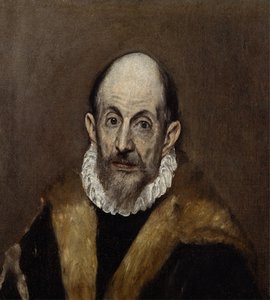
El Greco (1541–1614) is the most famous Mannerist painter, best known for The Burial of the Count of Orgaz and Opening of the fifth seal (The vision of Saint John the Divine). Then Jacopo Tintoretto, Giuseppe Arcimboldo, Bronzino and Sofonisba Anguissola. The list covers 71 painters born between 1475 and 1577 in 9 countries, from Amico Aspertini to Cristofano Allori.

Method. Scope: artists filed under Mannerist in our catalogue. Order: our artist fame ranking. Excluded: artists born after 1955 without a Wikidata identifier. Wikipedia figure: languages with an article, out of our 32.

  1. The Burial of the Count of Orgaz by El Greco1El Greco
  2. The Miracle of St Mark Freeing the Slave by Jacopo Tintoretto2Jacopo Tintoretto
  3. Vertumnus (Vertumno) by Giuseppe Arcimboldo3Giuseppe Arcimboldo

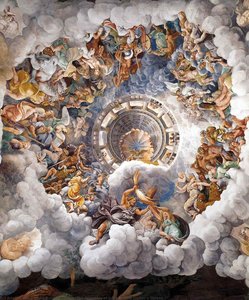
Key data

Mannerist: key data

  • 71Artists
  • 1475–1577Years of birth
  • 9Countries of birth
  • 2Women
  • 5,179Works in our catalogue
Cities with most births
Florence (14), Bologna (5), Venice (3), Antwerp (3)
The women of this list
Sofonisba Anguissola, Lavinia Fontana

Ranked list

71 Mannerist Painters, ranked with key works

1/ 71

El Greco

b. Heraklion Wikipedia 31/32

El Greco

Doménikos Theotokópoulos, known to history as El Greco, began his life in 1541 on the island of Crete. At that time, the island was a Venetian possession, a fact that would later allow him to bridge the gap between Eastern and Western traditions. In the Venetian Republic, he encountered the works of Titian and Tintoretto, absorbing their mastery of color and the use of light to define form.

Key works · Top 100 works

2/ 71

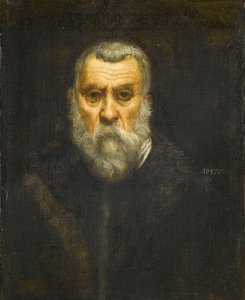
Jacopo Tintoretto

Italian b. Venice Mannerist, Venetian school Wikipedia 31/32

Jacopo Tintoretto

The Origin of the Milky Way (Scuola Grande di San Rocco, Venice). The early momentum of his career found expression in the church of the Carmine, Venice, with The Presentation of Jesus in the Temple, painted about 1542.

Location The Scuola Grande di San Rocco remains the most concentrated repository of his output, housing over sixty canvases that transform the building's halls into a cinematic experience of biblical narratives.

Key works · Top 100 works

3/ 71

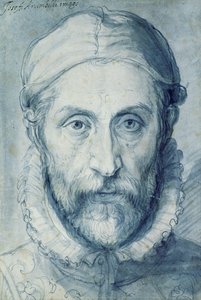
Giuseppe Arcimboldo

b. Milan Wikipedia 30/32

Giuseppe Arcimboldo

He specialized in grotesque symbolical compositions, where the anatomy of a face was reimagined through the arrangement of fruits, vegetables, flowers, animals, books, and various inanimate objects. The artist’s most distinctive approach reached a public milestone on New Year’s Day in 1569, when he premiered his composite heads to Maximilian II.

Location The physical remnants of Arcimboldo’s imagination are scattered across Europe, preserved within the halls of institutions that once served the very courts he once entertained.

Key works · Top 100 works

4/ 71

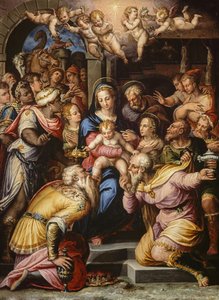
Bronzino

Italian b. Florence Mannerism Wikipedia 29/32

Bronzino

Agnolo di Cosimo, known to history as Bronzino, emerged from the vibrant artistic landscape of Renaissance Florence in 1503, a period already brimming with genius. This early period was also influenced by studies with Andrea del Sarto, exposing him to the legacies of Michelangelo and Leonardo da Vinci, foundational influences that would subtly permeate his mature style.

Trained by Pontormo #6 · Trained Alessandro Allori #20

Key works · Top 100 works

5/ 71

Sofonisba Anguissola

Italian b. Cremona Renaissance, Mannerism Wikipedia 29/32

Sofonisba Anguissola

“ Self-Portrait at the Easel ” (1556) is particularly iconic, presenting Sofonisba confidently engaged in her craft, challenging viewers to acknowledge her artistic authority.

Key works · Top 100 works

7/ 71

Parmigianino

Italian b. Parma Mannerism Wikipedia 28/32

Parmigianino

Parmigianino’s artistic journey led him to Florence around 1524, where he absorbed the influence of masters like Raphael and Leonardo da Vinci, though he quickly began to forge his own distinct path. Similarly, Vision of Saint Jerome (1527), completed during his time in Rome, showcases his mastery of anatomy and perspective, while simultaneously embracing the Mannerist penchant for dramatic compositions and emotional intensity.

Key works · Top 100 works

8/ 71

Giorgio Vasari

Italian b. Arezzo Mannerism Wikipedia 31/32

Giorgio Vasari

Giorgio Vasari, born in Arezzo, Tuscany, on July 30, 1511, was more than simply a painter; he was a quintessential embodiment of the Italian Renaissance spirit. Immersing himself within the dynamic circle of Andrea del Sarto and absorbing the influences of Rosso Fiorentino and Jacopo Pontormo, Vasari began a journey that would see him become one of the most influential figures of his era.

Trained Jacopo Zucchi #54, Federico Zuccari #41

Key works · Top 100 works

9/ 71

Giulio Romano

Italian b. Rome Mannerism Wikipedia 28/32

Giulio Romano

Beyond Palazzo Te, Giulio also undertook significant renovations to Mantua’s ducal palace and cathedral, leaving an indelible mark on the city's urban landscape.

Key works · Top 100 works

10/ 71

Rosso Fiorentino

Italian b. Florence Mannerism Wikipedia 27/32

Rosso Fiorentino

Giovanni Battista di Jacopo, known to the world as Rosso Fiorentino – “The Red Florentine” – was a name whispered with both admiration and a touch of unease during the Italian Renaissance. Born in Florence on March 8th, 1495, his very nickname alluded to the fiery spirit that would come to define not only his appearance but also his intensely emotional and innovative art.

Key works · Top 100 works

11/ 71

Sebastiano del Piombo

Italian b. Venice High Renaissance, Mannerism Wikipedia 23/32

Sebastiano del Piombo

His early Roman works, such as the frescoes in the Villa Farnesina – notably Polyphemus – demonstrate a masterful assimilation of classical motifs and a burgeoning confidence in handling large-scale compositions. The Raising of Lazarus: A powerful altarpiece blending Venetian color with Roman form.

Key works · Top 100 works

13/ 71

Domenico Beccafumi

Italian b. Castelnuovo Berardenga Mannerism, Renaissance Wikipedia 21/32

Domenico Beccafumi

Born around 1486 in the small Tuscan town of Montaperto, near Siena, Beccafumi’s artistic journey was one of remarkable development, culminating in a style that bridged the High Renaissance and the burgeoning complexities of Mannerism. The Trinity Triptych, housed in the Pinacoteca Nazionale di Siena, showcases his mastery of oil painting and his ability to convey religious devotion with both grandeur and intimacy.

Key works · Top 100 works

14/ 71

Pieter Aertsen

Dutch b. Amsterdam Northern Mannerism Wikipedia 28/32

Pieter Aertsen

Pieter Aertsen, a name often whispered in the halls of art history, stands as a pivotal figure bridging the gap between Northern Mannerism and the burgeoning realism of the Dutch Golden Age. Here, he joined the esteemed Guild of Saint Luke, earning the moniker “Langhe Peter,” or Tall Peter, reflecting his imposing stature, a detail often incorporated into his portraits.

Key works · Top 100 works

16/ 71

Lavinia Fontana

Italian b. Bologna Mannerism, Baroque Wikipedia 26/32

Lavinia Fontana

Other significant pieces include “ Venus and Cupid ” (1592), a Baroque portrait brimming with symbolic beauty, and “ Newborn Baby in a Crib ” (1583), a poignant depiction of maternal tenderness and domestic life.

Key works · Top 100 works

17/ 71

Federico Barocci

Italian b. Urbino Renaissance, Baroque Wikipedia 24/32

Federico Barocci

He was invited by Pope Pius IV to assist in the decoration of the Vatican Belvedere Palace at Rome, where he painted the Virgin Mary and infant, with several saints and a ceiling in fresco, representing the Annunciation. Man’s Head (for “Calling of Saint Andrew”, Bruxelles, Musées Royaux des Beaux-Arts de Belgique) - Showcases Barocci's attention to detail and expression.

Key works · Top 100 works

19/ 71

Cristofano Allori

Italian b. Florence Mannerism Wikipedia 23/32

Cristofano Allori

In the twilight of the Renaissance, as the balanced harmonies of the previous century gave way to the restless energy of Mannerism, Cristofano Allori emerged as a vital voice in the Florentine school. Born in 1577 into a city steeped in artistic prestige, Allori was destined for the brush.

Trained by Alessandro Allori #20

Key works · Top 100 works

20/ 71

Alessandro Allori

Italian b. Florence Mannerism Wikipedia 24/32

Alessandro Allori

Critics often noted his tendency to draw heavily from pre-existing art, refining and reinterpreting the works of masters like Michelangelo and Raphael through the lens of Bronzino’s aesthetic. A notable example is “ Allegory of Human Life,” housed in the Uffizi Gallery, which encapsulates the Renaissance humanist ideals prevalent during his time.

Trained by Bronzino #4 · Trained Cristofano Allori #19

Key works · Top 100 works

22/ 71

Giovanni Battista Moroni

b. Albino Wikipedia 16/32

Giovanni Battista Moroni

A pivotal moment occurred during his stay in Trento where he encountered Titian and the Count-Bishop Cristoforo Madruzzo. Among Moroni’s most renowned paintings are: The Tailor: Currently housed in the National Gallery, London, this painting exemplifies his realistic portrayal of everyday life and character.

Key works · Top 100 works

23/ 71

Benvenuto Cellini

Italian b. Florence Mannerism

Benvenuto Cellini

His early years were not without incident; at sixteen, he became embroiled in an affray with companions, leading to banishment from Florence and a period working in Siena under goldsmith Fracastoro. Gold Medallion of Leda and the Swan: Created for Gonfaloniere Gabriello Cesarino, this medallion demonstrates Cellini's ability to blend classical mythology with exquisite craftsmanship.

Key works · Top 100 works

24/ 71

Francesco Salviati

Italian b. Florence Mannerism” Wikipedia 17/32

Francesco Salviati

Salviati’s artistic style is characterized by a distinctive blend of influences – the realism of del Sarto, the dynamism of Michelangelo, and the elegance of Raphael, all filtered through the lens of Mannerism.

Key works · Top 100 works

25/ 71

Giambologna

Flemish b. Douai Mannerist Sculpture

Giambologna

Dynamic Composition & Anatomical Precision: Unlike the idealized forms of Michelangelo, Giambologna's figures possessed an unsettling realism —a deliberate distortion of anatomical proportions designed to heighten expressive tension and convey psychological depth. Among his crowning achievements are: Neptune Fountain (Bologna): Collaborating with Tommaso Laureti on this ambitious project—the centerpiece of Bologna’s Piazza Nettuno—Giambologna created a colossal bronze sculpture depicting Neptune, god of the sea, surrounded by subsidiary figures embodying various elements of maritime mythology.

Key works · Top 100 works

27/ 71

Daniele da Volterra

Italian b. Volterra Mannerism Wikipedia 17/32

Daniele da Volterra

Sybil (c. 1540–1545); Hermitage Museum, Saint petersburgdescent from the cross (c. 1545), before its 2004 restoration; trinità dei monti, romedescent from the cross (detail, before restoration)descent from the cross (detail, after restoration)

Key works · Top 100 works

29/ 71

Prospero Fontana

Italian b. Bologna Late Renaissance & Mannerism Wikipedia 18/32

Prospero Fontana

His work also includes significant contributions to the decoration of the Santa Maria del Baraccano church in Bologna, including a captivating “Disputa di Santa Caterina.” His daughter, Lavinia Fontana, who herself became a successful painter, undoubtedly benefited from her father’s tutelage and artistic guidance.

Key works · Top 100 works

31/ 71

Francesco Primaticcio

Italian b. Bologna Mannerism Wikipedia 22/32

Francesco Primaticcio

Francesco Primaticcio stands as a towering figure of the Italian Mannerist tradition, a polymath whose creative reach extended far beyond the canvas to encompass the realms of architecture and sculpture. Born in Bologna, Italy, his artistic journey began under the rigorous guidance of Giulio Romano in Mantua, where he absorbed the complex, tension-filled aesthetics that would later define his career.

Trained by Giulio Romano #9

Key works · Top 100 works

32/ 71

Otto van Veen

Flemish b. Leiden Mannerism Wikipedia 15/32

Otto van Veen

Born around 1556 in Leiden, Netherlands, into a family of prominence—his father served as burgomaster—Van Veen’s life was one of shifting allegiances and artistic evolution. His subsequent journey to Rome around 1574 or 1575 proved pivotal; immersing himself in the heart of the Italian Renaissance, he absorbed the stylistic nuances that would define his mature work—the elegance, the refined compositions, and the emphasis on idealized forms characteristic of Mannerism.

Trained by Federico Zuccari #41

Key works · Top 100 works

33/ 71

Luca Cambiaso

Italian b. Moneglia Genoese School, Mannerism Wikipedia 15/32

Luca Cambiaso

He was influenced by Correggio and Raphael, absorbing their dynamism and compositional brilliance while developing his own unique voice. His journey to Spain in 1583, invited by Philip II to complete frescoes at the Escorial, highlights both his international recognition and his personal ambitions.

Key works · Top 100 works

35/ 71

Francesco Bassano the Younger

Italian b. Bassano del Grappa Venetian Renaissance Wikipedia 12/32

Francesco Bassano the Younger

Conversely, in more mythologically charged pieces like ' The Forge of Vulcan ', he demonstrated a masterful command over light and shadow, using the glow of the forge to create a dramatic, theatrical atmosphere that captivated viewers.

Key works · Top 100 works

36/ 71

Hendrick De Clerck

Flemish Late Mannerism

Hendrick De Clerck

Early Life & Training: De Clerck’s formative years are shrouded in obscurity, though evidence suggests he received training under Jan Brueghel the Elder, a titan of Flemish landscape painting and a pivotal influence on de Clerck's artistic approach. Collaborations with Jan Brueghel the Elder on landscapes such as “ Paradise ” further cemented De Clerck’s reputation as a visionary artist who skillfully blended tradition and innovation.

Key works · Top 100 works

37/ 71

Leandro Bassano

Italian b. Bassano del Grappa Mannerism Wikipedia 13/32

Leandro Bassano

Born in 1494 in the small Tuscan town of Pontorme near Empoli, he wasn’t destined for a conventional artistic upbringing. Orphaned at a young age and shuttled between various Florentine workshops – first with Leonardo da Vinci, then with Mariotto Albertinelli and Piero di Cosimo, before finally finding a home with Andrea del Sarto – his early training was characterized by the rigorous discipline of the High Renaissance.

Key works · Top 100 works

38/ 71

Perino del Vaga

Italian b. Florence Mannerist Painting Wikipedia 15/32

Perino del Vaga

Pietro Buonaccorsi, known to history through the evocative moniker Perino del Vaga, remains one of the most captivating figures of the transition from the High Renaissance to the intricate complexities of Mannerism. Born in Florence around 1501 into a lineage of artistic talent, his very name— Vaga, meaning wandering or idle—suggests a restless creative energy that would eventually carry him far beyond the borders of his native Tuscany.

Key works · Top 100 works

39/ 71

Stradanus

Flemish b. Bruges Renaissance, 16th Century Painting Wikipedia 15/32

Stradanus

His arrival coincided with a period of immense artistic patronage and experimentation within the court, orchestrated by Grand Duke Cosimo I de’ Medici and his advisor, Giorgio Vasari.

Trained Antonio Tempesta #56

Key works · Top 100 works

40/ 71

Il Pordenone

Italian b. Pordenone Renaissance Painting Wikipedia 16/32

Il Pordenone

The years from 1527 until his untimely death in 1539 were spent primarily in Venice, a city teeming with artistic innovation. “ Christ and Mary Magdalen ” (1532) exemplifies his ability to convey profound religious devotion through vibrant color and expressive figures.

Key works · Top 100 works

41/ 71

Federico Zuccari

Italian b. Sant'Angelo in Vado Mannerism Wikipedia 18/32

Federico Zuccari

Their collaborative spirit yielded masterpieces such as “The Holy Family ” in Palazzo Vecchio, a work that serves as a testament to their unified artistic language.

Trained by Giorgio Vasari #8

Key works · Top 100 works

43/ 71

Cornelis Ketel

Dutch b. Gouda Mannerism Wikipedia 13/32

Cornelis Ketel

Cornelis Ketel, born in Gouda, Netherlands in 1548, occupies a fascinating, transitional space within the history of Dutch art. He spent time in Paris with Jean de la Hame, a glass-painter serving King Charles IX, before securing a position at Fontainebleau during the twilight years of the School of Fontainebleau.

Key works · Top 100 works

45/ 71

Francesco Bacchiacca

Italian b. Florence Florentine Mannerism Wikipedia 11/32

Francesco Bacchiacca

He frequently incorporated elements from contemporary prints – particularly Venetian scenes – into his paintings, reflecting the artistic exchange that characterized Renaissance Florence. His " Madonna and Child " is held by the Metropolitan Museum of Art in New York, a painting that exemplifies his ability to infuse religious subjects with intense emotion and psychological depth.

Key works · Top 100 works

46/ 71

Scipione Pulzone

b. Gaeta Wikipedia 11/32

Scipione Pulzone

He skillfully balanced Renaissance ideals with emerging Baroque sensibilities. Religious Commissions: Notable religious works include the “Assumption with the Apostles” for San Silvestro al Quirinale, a “Pietà” for the Gesù church, and a “Crucifixion” for Santa Maria in Vallicella.

Key works · Top 100 works

47/ 71

Santi di Tito

Italian b. Florence Proto-Baroque & Counter-Maniera Wikipedia 14/32

Santi di Tito

In the vibrant, shifting landscape of late 16th-century Italy, few figures played as pivotal a role in redefining the visual language of Florence as Santi di Tito. Between 1558 and 1564, di Tito’s presence was felt in the grand halls of Rome, where he worked alongside talented peers such as Giovanni de’ Vecchi and Niccolò Circignani.

Key works · Top 100 works

48/ 71

Polidoro Da Caravaggio

Italian b. Caravaggio Mannerism Wikipedia 10/32

Polidoro Da Caravaggio

Polidoro quickly distinguished himself not within the confines of panel painting or fresco but in a remarkably innovative arena: the decoration of Roman palace facades.

Key works · Top 100 works

50/ 71

Andrea Schiavone

Italian b. Zadar Baroque Sculpture; Mannerism Wikipedia 14/32

Andrea Schiavone

In the vibrant, sun-drenched tapestry of the sixteenth-century Venetian Republic, few names evoke as much intrigue and stylistic complexity as Andrea Schiavone. Born Andrea Meldolla, his very moniker—meaning "Andrew the Slav"—serves as a poetic testament to his dual identity. Though his roots lay in the Dalmatian city of Zara, now Zadar, Croatia, his artistic spirit was forged in the heart of Venice.

Key works · Top 100 works

51/ 71

Jacopo Ligozzi

Italian b. Verona Late Renaissance & Mannerism Wikipedia 11/32

Jacopo Ligozzi

Born in Verona in 1547 to the respected artist Giovanni Ermano Ligozzi, Jacopo was immersed from birth in a world where craftsmanship and visual storytelling were paramount.

Key works · Top 100 works

52/ 71

Bartolomeo Passarotti

Italian b. Bologna Mannerism Wikipedia 10/32

Bartolomeo Passarotti

In the vibrant, shifting landscape of the late sixteenth century, few artists captured the transition from the structured elegance of the High Renaissance to the dramatic intensity of the Baroque as skillfully as Bartolomeo Passarotti. Born in Bologna in 1529, Passarotti emerged not merely as a painter, but as a pivotal bridge between eras.

Key works · Top 100 works

53/ 71

Andrea Vicentino

Italian b. Vicenza Late Renaissance/Mannerist Wikipedia 5/32

Andrea Vicentino

Under the watchful eye and expert tutelage of Giovanni Battista Maganza, Vicentino developed a command over monumental compositions and refined aesthetics that would later define his career. Known variously as Andrea Michieli or Michelli, his movement toward Venice in the mid-1570s marked a transformative era in his development. By 1583, he had officially registered with the Fraglia, the prestigious Venetian guild of painters.

Key works · Top 100 works

54/ 71

Jacopo Zucchi

Italian b. Florence Mannerist Painting Wikipedia 11/32

Jacopo Zucchi

Allegorical Narrative: His masterpiece, Age of Silver, demonstrates his command over the Florentine Baroque style, weaving intricate details of justice and angelic presence into a complex tapestry of meaning.

Trained by Giorgio Vasari #8

Key works · Top 100 works

56/ 71

Antonio Tempesta

Italian b. Florence Mannerism Wikipedia 11/32

Antonio Tempesta

Narrative Allegories: Utilizing complex symbolism to communicate religious and political themes, such as in his evocative work The Expulsion of Heliodorus from the Temple.

Trained by Stradanus #39

Key works · Top 100 works

57/ 71

Amico Aspertini

Italian b. Bologna Mannerism Wikipedia 11/32

Amico Aspertini

Aspertini’s family history was steeped in art; his father, Giovanni Antonio Aspertini, was himself a recognized painter. These works, along with frescoes in the Oratory of Santa Cecilia and his contributions to the Lucca Basilica, reveal a painter who was constantly pushing the boundaries of artistic convention.

Key works · Top 100 works

58/ 71

Wenzel Jamnitzer

German b. Vienna Northern Mannerism

Wenzel Jamnitzer

Notably, he studied alongside Euclid's Elements and Plato’s Timaeus, texts considered foundational for geometric reasoning and philosophical contemplation – influences that would profoundly shape his later artistic pursuits.

Key works · Top 100 works

59/ 71

Vincenzo Scamozzi

Italian b. Vicenza

Vincenzo Scamozzi

Born in Vicenza, Italy, he emerged from a lineage of builders, being the son of Gian Domenico Scamozzi, a surveyor and contractor who served as his first teacher. Following Palladio's death in 1580, Scamozzi found himself entrusted with several unfinished projects, most notably the prestigious Teatro Olimpico at Vicenza.

Key works · Top 100 works

61/ 71

Jan De Beer

b. Antwerp Antwerp Mannerism Wikipedia 9/32

Jan De Beer

Active primarily in Antwerp, he was a central protagonist in a loose but influential group of painters known as the Antwerp Mannerists. By 1504, he had achieved the prestigious status of master within the Antwerp Guild of Saint Luke, eventually rising to the esteemed position of dean. The work of Jan De Beer is characterized by a breathtaking marriage of Northern Renaissance realism and a burgeoning sense of theatricality.

Key works · Top 100 works

62/ 71

Marcello Venusti

Italian b. Mazzo di Valtellina Mannerist Wikipedia 10/32

Marcello Venusti

Born near Como in the rugged terrain of Mazzo di Valtellina around 1512, Venusti emerged from the Italian foothills to become a vital conduit for the Mannerist aesthetic. This formative connection anchored him within the sophisticated stylistic currents of Rome, preparing him to translate the monumental language of the High Renaissance into the more stylized, elongated, and emotive vocabulary of Mannerism.

Key works · Top 100 works

64/ 71

Tobias Stimmer

Swiss b. Schaffhausen Mannerism Wikipedia 7/32

Tobias Stimmer

These drawings, often illustrating biblical scenes or exploring complex allegories, were widely disseminated thanks to prominent printers like Sigmund Feyerabend in Frankfurt am Main and Bernhart Jobin in Strasbourg, significantly expanding his reach and influence across Europe.

Key works · Top 100 works

65/ 71

Jacopino del Conte

Italian b. Florence Mannerist Wikipedia 10/32

Jacopino del Conte

The “Virgin and Child with Saint Elizabeth and John the Baptist ” (1535), now housed in the Uffizi Gallery, exemplifies this evolution, showcasing a masterful command of perspective, drapery, and emotional expression.

Key works · Top 100 works

66/ 71

Paolo Fiammingo

Flemish b. Antwerp Landscape with mythological and allegorical Wikipedia 8/32

Paolo Fiammingo

The story of Paolo Fiammingo, born Pauwels Franck, is a captivating tale of artistic migration and the seamless blending of Northern precision with Italian grandeur. Emerging from the vibrant artistic traditions of Antwerp around 1540, this master crossed the Alps to find his true calling in the shimmering atmosphere of Venice.

Key works · Top 100 works

67/ 71

Jacques Bellange

French b. Bassigny Northern Mannerism Wikipedia 9/32

Jacques Bellange

A master of the Northern Mannerist style, his life was lived in the twilight of the late Renaissance, a period defined by elongated forms, theatrical tension, and an almost feverish psychological intensity. Born around 1575 in the Bâse-les-Vosges region of France, Bellange emerged from a landscape of shifting borders and intense religious fervor, eventually finding his creative home within the sophisticated courtly circles of Nancy.

Key works · Top 100 works

68/ 71

Girolamo Mazzola Bedoli

Italian b. Parma Mannerist Painting Wikipedia 8/32

Girolamo Mazzola Bedoli

In the vibrant, swirling currents of the Italian Mannerist period, few names capture the elegance and stylistic complexity of the Parma school quite like Girolamo Mazzola Bedoli. Born in Viadana around 1500, Bedoli emerged from a landscape deeply enriched by the artistic legacies of Lombardy and the sophisticated atmosphere of Parma.

Key works · Top 100 works

69/ 71

Lelio Orsi

Italian b. Novellara Mannerist Wikipedia 7/32

Lelio Orsi

In the twilight of the Italian Renaissance, as the harmonious balance of High Renaissance classicism began to fracture into the restless energy of Mannerism, there emerged a voice from the fertile plains of Emilia-Romagna that captured the profound anxieties of a changing world. Born in the small town of Novellara around 1508 or 1511, Orsi navigated an era defined by shifting theological certainties and the complex intellectual currents of humanism.

Key works · Top 100 works

Best-known works

Famous Mannerist paintings by artist

  1. The Burial of the Count of Orgaz by El Greco

    The Burial of the Count of Orgaz

    El Greco

    1586 · Santo Tomé, Toledo

  2. The Miracle of St Mark Freeing the Slave by Jacopo Tintoretto

    The Miracle of St Mark Freeing the Slave

    Jacopo Tintoretto

    1548 · Gallerie dell'Accademia di Venezia, Venice

  3. Vertumnus (Vertumno) by Giuseppe Arcimboldo

    Vertumnus (Vertumno)

    Giuseppe Arcimboldo

    1590 · Skoklosters Slott, Balsta

  4. The Holy Family by Bronzino

    The Holy Family

    Bronzino

    1545

  5. Self-Portrait at the Easel by Sofonisba Anguissola

    Self-Portrait at the Easel

    Sofonisba Anguissola

    1556 · Muzeum-Zamek, Lacków

  6. Visitation by Pontormo

    Visitation

    Pontormo

    1528

  7. Madonna with the Long Neck by Parmigianino

    Madonna with the Long Neck

    Parmigianino

    1540

Chronology

Mannerist chronology

  1. 1517
  2. 1528
  3. 1532
  4. 1540
  5. 1544
  6. 1545
  7. 1551
  8. 1555
  9. 1565
  10. 1570
  11. 1570
  12. 1585
  13. 1586
  14. 1590

Statistics

Counts by country, period and museum

Country of birth
Italy49
Netherlands5
Belgium5
France4
Germany2
Switzerland2
Greece1
Croatia1
Decade of birth
1470s2
1480s3
1490s5
1500s11
1510s10
1520s8
1530s7
1540s11
1550s7
1560s4
1570s3
Museums holding their key works
Kunsthistorisches Museum16
Hermitage Museum10
Bavarian State Painting Collections8
Museo del Prado7
National Gallery6
The Louvre6
Galleria degli Uffizi6
Rijksmuseum5

Index

Full list of 71 famous Mannerist painters

  1. 1El GrecoEl Greco1541–1614
  2. 2Jacopo TintorettoJacopo TintorettoItalian · 1519–1594
  3. 3Giuseppe ArcimboldoGiuseppe Arcimboldo1527–1593
  4. 4BronzinoBronzinoItalian · 1503–1572
  5. 5Sofonisba AnguissolaSofonisba AnguissolaItalian · 1532–1625
  6. 6PontormoPontormoItalian · 1494–1556
  7. 7ParmigianinoParmigianinoItalian · 1503–1540
  8. 8Giorgio VasariGiorgio VasariItalian · 1511–1574
  9. 9Giulio RomanoGiulio RomanoItalian · 1499–1546
  10. 10Rosso FiorentinoRosso FiorentinoItalian · 1494–1540
  11. 11Sebastiano del PiomboSebastiano del PiomboItalian · 1485–1547
  12. 12Hendrik GoltziusHendrik GoltziusDutch · 1558–1617
  13. 13Domenico BeccafumiDomenico BeccafumiItalian · 1484–1551
  14. 14Pieter AertsenPieter AertsenDutch · 1508–1575
  15. 15Bartholomeus SprangerBartholomeus SprangerFlemish · 1546–1611
  16. 16Lavinia FontanaLavinia FontanaItalian · 1552–1614
  17. 17Federico BarocciFederico BarocciItalian · 1535–1612
  18. 18Hans von AachenHans von AachenGerman · 1552–1615
  19. 19Cristofano AlloriCristofano AlloriItalian · 1577–1621
  20. 20Alessandro AlloriAlessandro AlloriItalian · 1535–1607
  21. 21Niccolò Dell' AbbateNiccolò Dell' AbbateItalian · 1512–1571
  22. 22Giovanni Battista MoroniGiovanni Battista Moroni1525–1578
  23. 23Benvenuto CelliniBenvenuto CelliniItalian · 1500–1571
  24. 24Francesco SalviatiFrancesco SalviatiItalian · 1510–1563
  25. 25GiambolognaGiambolognaFlemish · 1529–1608
  26. 26Karel van Mander the ElderKarel van Mander the ElderFlemish · 1548–1606
  27. 27Daniele da VolterraDaniele da VolterraItalian · 1509–1566
  28. 28Jean GoujonJean GoujonFrench · 1510–1567
  29. 29Prospero FontanaProspero FontanaItalian · 1512–1597
  30. 30Joachim WtewaelJoachim WtewaelDutch · 1566–1638
  31. 31Francesco PrimaticcioFrancesco PrimaticcioItalian · 1504–1570
  32. 32Otto van VeenOtto van VeenFlemish · 1556–1629
  33. 33Luca CambiasoLuca CambiasoItalian · 1527–1585
  34. 34Giuseppe CesariGiuseppe CesariItalian · 1568–1640
  35. 35Francesco Bassano the YoungerFrancesco Bassano the YoungerItalian · 1549–1592
  36. 36Hendrick De ClerckHendrick De ClerckFlemish · 1570–1630
  37. 37Leandro BassanoLeandro BassanoItalian · 1557–1622
  38. 38Perino del VagaPerino del VagaItalian · 1501–1547
  39. 39StradanusStradanusFlemish · 1523–1605
  40. 40Il PordenoneIl PordenoneItalian · 1484–1539
  41. 41Federico ZuccariFederico ZuccariItalian · 1539–1609
  42. 42Cecchino Del SalviatiCecchino Del SalviatiItalian · 1510–1563
  43. 43Cornelis KetelCornelis KetelDutch · 1548–1616
  44. 44Gillis MostaertGillis MostaertFlemish · 1528–1598
  45. 45Francesco BacchiaccaFrancesco BacchiaccaItalian · 1494–1557
  46. 46Scipione PulzoneScipione Pulzone1550–1598
  47. 47Santi di TitoSanti di TitoItalian · 1536–1603
  48. 48Polidoro Da CaravaggioPolidoro Da CaravaggioItalian · 1499–1543
  49. 49Vincenzo CampiVincenzo CampiItalian · 1536–1591
  50. 50Andrea SchiavoneAndrea SchiavoneItalian · 1522–1563
  51. 51Jacopo LigozziJacopo LigozziItalian · 1547–1627
  52. 52Bartolomeo PassarottiBartolomeo PassarottiItalian · 1529–1592
  53. 53Andrea VicentinoAndrea VicentinoItalian · 1542–1617
  54. 54Jacopo ZucchiJacopo ZucchiItalian · 1542–1596
  55. 55Domenico TintorettoDomenico TintorettoItalian · 1560–1635
  56. 56Antonio TempestaAntonio TempestaItalian · 1555–1630
  57. 57Amico AspertiniAmico AspertiniItalian · 1475–1552
  58. 58Wenzel JamnitzerWenzel JamnitzerGerman · 1507–1585
  59. 59Vincenzo ScamozziVincenzo ScamozziItalian · 1548–1616
  60. 60Domenico FontanaDomenico FontanaItalian · 1543–1607
  61. 61Jan De BeerJan De Beer1475–1528
  62. 62Marcello VenustiMarcello VenustiItalian · 1510–1579
  63. 63Toussaint DubreuilToussaint DubreuilFrench · 1561–1602
  64. 64Tobias StimmerTobias StimmerSwiss · 1539–1584
  65. 65Jacopino del ConteJacopino del ConteItalian · 1510–1598
  66. 66Paolo FiammingoPaolo FiammingoFlemish · 1540–1596
  67. 67Jacques BellangeJacques BellangeFrench · 1575–1616
  68. 68Girolamo Mazzola BedoliGirolamo Mazzola BedoliItalian · 1500–1569
  69. 69Lelio OrsiLelio OrsiItalian · 1508–1587
  70. 70Michele TosiniMichele TosiniItalian · 1503–1577
  71. 71Juan Correa De VivarJuan Correa De VivarSpanish · 1510–1566

FAQ

Mannerist: quick answers

Guides

AllPaintingsStore.com guides

Other lists

Famous artists by movement

By period

Famous artists by period

Famous paintings

Famous paintings by movement

Related lists

Related rankings